
Chain Stores in the Golden Age of the British High Street by Kathryn A Morrison is the latest book to publish in our Historic England imprint. This new publication examines the history of multiple retailing through the prism of its shops and stores, arguing that gigantic enterprises like Marks & Spencer, Woolworths and Burton created the character of Britain’s modern high streets. In this blog post, author Kathryn A Morrison discusses this new book and the transformation of the British High Street.
Chain stores, or multiples, have been the avowed enemies of independent traders since they first began to open shops in the early nineteenth century. Campaigns were waged against them – including calls for bans or licensing – to no avail. They appropriated and redeveloped the most lucrative spots in the middle of British towns, drawing custom with fashionable architecture, bright fascias, crowded displays and low prices. Shoppers loved them.
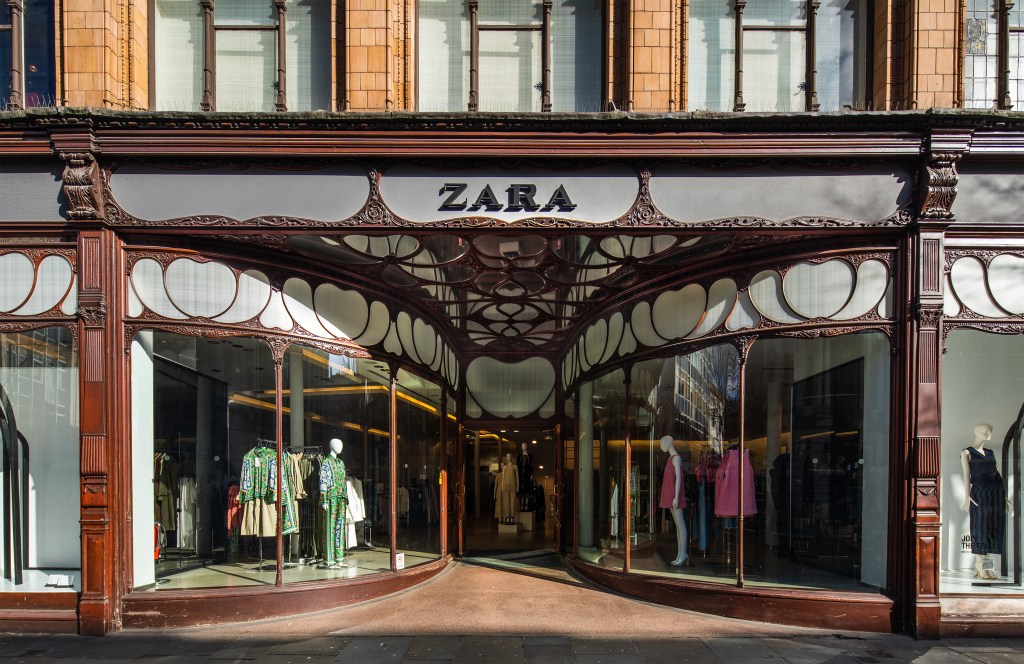
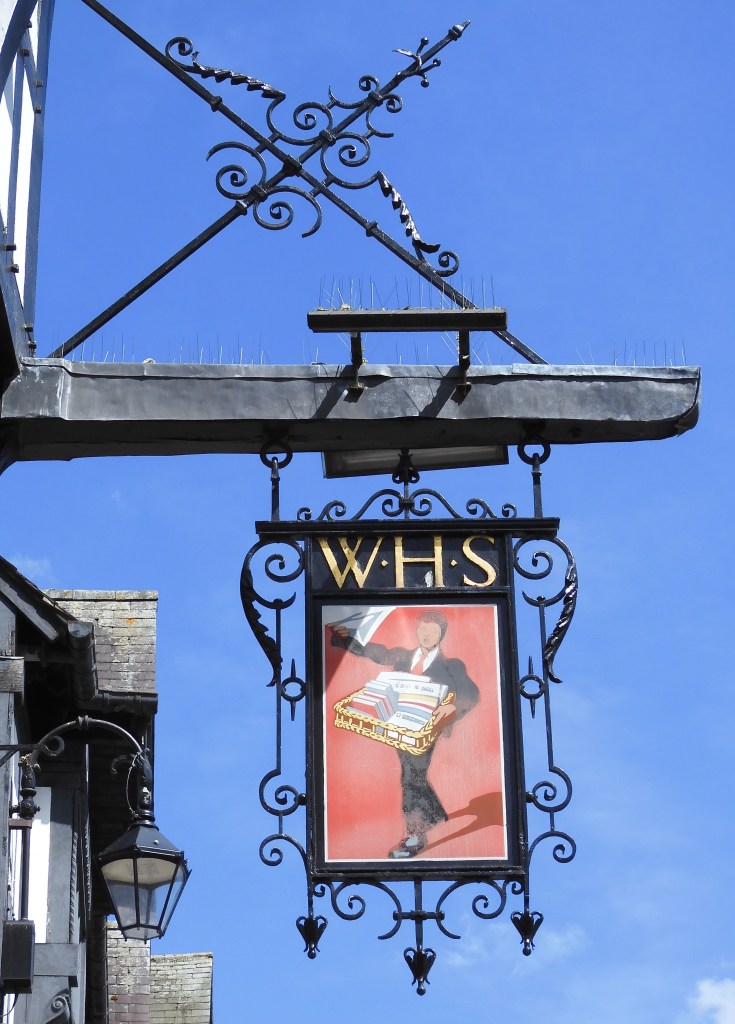
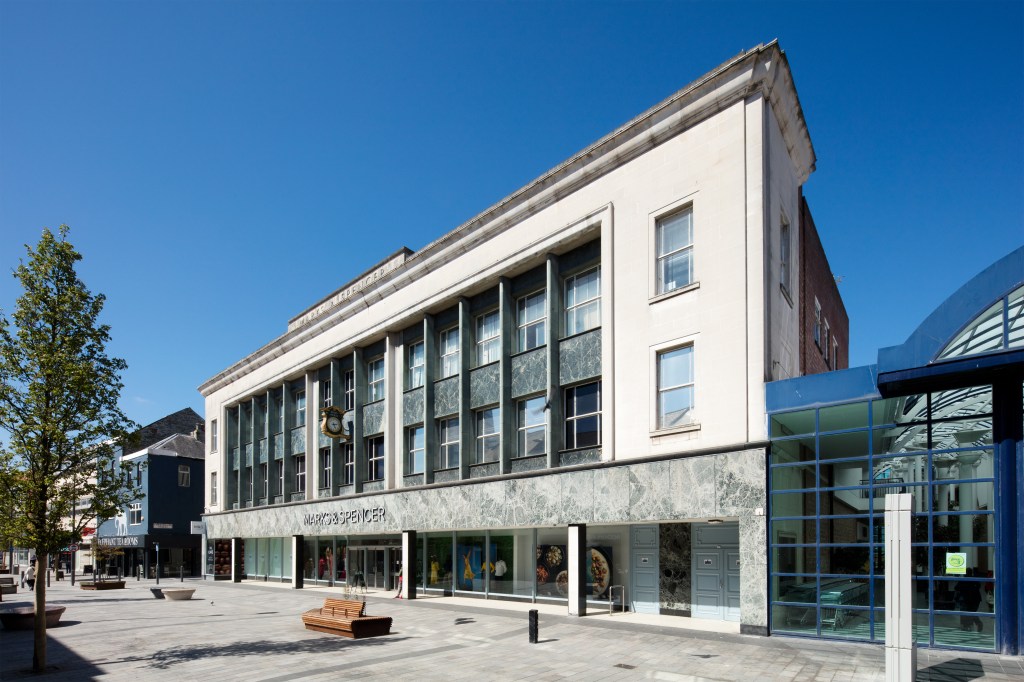
As independent shopkeepers were priced out, a number of powerful chains – Boots (1), W. H. Smith (2), Burton (3), Woolworths, Marks & Spencer (4), British Home Stores (BHS), C&A and Littlewoods – became prolific builders. This relatively small group of colossal businesses reshaped the character of British high streets. Just how they achieved this is discussed in Chain Stores in the Golden Age of the British High Street (Liverpool University Press, 2025).
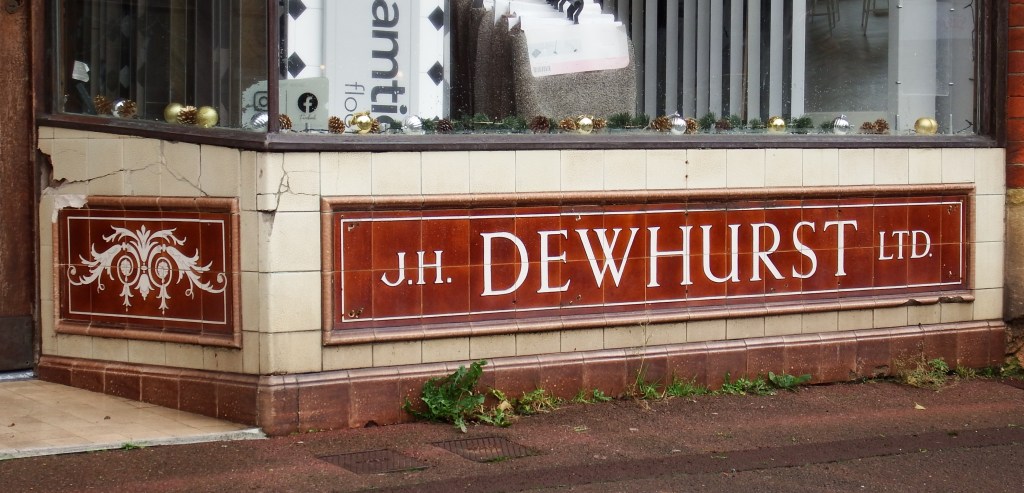
Other multiples – such as Lipton, Dolcis, Dewhurst (5) and The Fifty Shilling Tailor – were more occasional builders, but invariably imposed their house style on shops. By the mid-1930s, commentators were complaining that British high streets looked identical. This notion was still being voiced in 2004, when The New Economic Forum published ‘Clone Town Britain’. But today – outside the hermetically sealed environs of modern shopping malls – the claim that ‘bland identikit towns’ are ‘dominated by a few bloated retail behemoths’ has lost much credibility. Too many behemoths have become extinct, or have chosen to quit the scene.
When supermarkets like Asda, Tesco and Sainsbury’s moved off-centre in the 1970s, others stood their ground in central spots. Through the 1980s and 1990s, chains like Marks & Spencer and Boots hedged their bets: opening in retail parks but maintaining their town-centre portfolios. At the turn of the Millenium, the biggest multiples still seemed invincible. They then began toppling like dominoes. Gaping holes emerged in once-thriving high streets.
It happened incrementally. Astutely, C&A withdrew from the UK in 2000, before online shopping could make a significant dent in bricks-and-mortar retailing. Two years later, Littlewoods was sold. Its home shopping operation was snapped up and the stores were quickly reoccupied by others, notably Primark. The situation was more precarious by 2009, when Woolworths collapsed. Many of its empty premises were taken by discounters and pound shops, but some remained empty for over a decade.
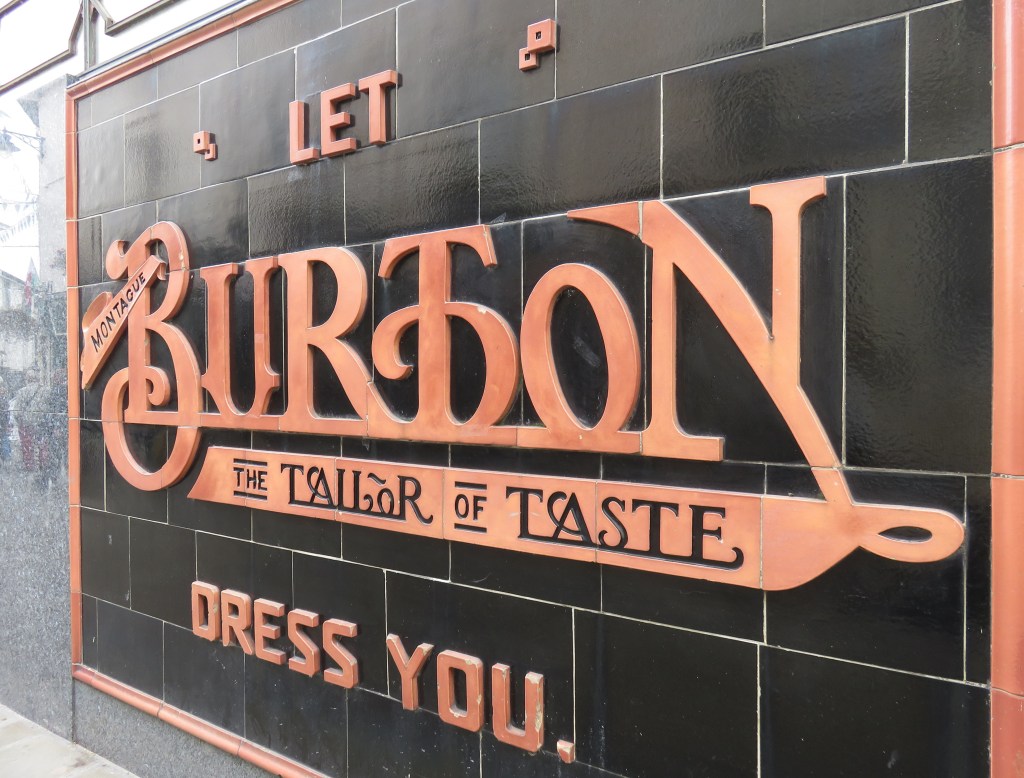
The next big players to collapse, in 2016, were BHS and Austin Reed. Following suit during the COVID pandemic were Laura Ashley, Debenhams and the Arcadia group. As well as bringing down Burton, the demise of Arcadia killed off a host of established womenswear chains like Wallis, Dorothy Perkins and Topshop. The most recent big casualty is Wilko.
Traditional multiple retailers – perhaps discouraged by the rapid disappearance of department stores and banks, as well as fellow chain stores – do not covet or value town-centre locations as they did in the past. Marks & Spencer has accelerated its closure programme and W. H. Smith has sold its high-street shops, which are being rebranded as T. G. Jones.
Of the foremost high-street builders of the twentieth century (listed above) this leaves just one – Boots the Chemist – with a conspicuous presence nationwide. But even Boots is retracting, closing 300 outlets in the course of 2024.
Although Chain Stores in the Golden Age of the British High Street focuses on the period up to 1970 – before shopping shifted into malls and off-centre – it maintains an eye on the present. It is evident that the vast multi-level high-street buildings once occupied by chain stores and department stores are difficult to fill or repurpose, and their fate – as with Marks & Spencer at Marble Arch – will often prove contentious.
But the story of British high streets is one of transformation rather than decline. The much-maligned behemoths may have had their day, but many (often smaller) chains of recent formation are finding success on modern high streets, where they jostle with a range of businesses that depend on in-person service (such as restaurants, cafés, bars, opticians, hairdressers and tattoo parlours).
It is not beyond the bounds of possibility that cyberattacks, such as that recently suffered by M&S, will stimulate a future resurgence in face-to-face shopping. But for the time being, as retail property values and rents gradually adjust to a world dominated by on-line shopping, independent shopkeepers are being empowered to reclaim their – perhaps rightful – place on local high streets.
Find out more about Kathryn A Morrisons’ new book Chain Stores in the Golden Age of the British High Street on the Liverpool University Press website.

Follow us for more updates
Sign up to our mailing list
Follow us on social media
www.liverpooluniversitypress.co.uk
 Liverpool University Press Blog