
Irish Emigration to England Explored Through Buildings: The Green and the Grey by Samantha Lyster is the latest book to publish in our Historic England imprint. The book explores the symbiotic relationship between Irish migrants and built heritage in England, and in doing so, draws out fresh aspects of the migration story, how it was supported through the use of different types of buildings and demonstrates the opportunities that emigration offered to Irish communities. In this blog post, author Samantha Lyster explores the impact of Irish art and creativity in England.
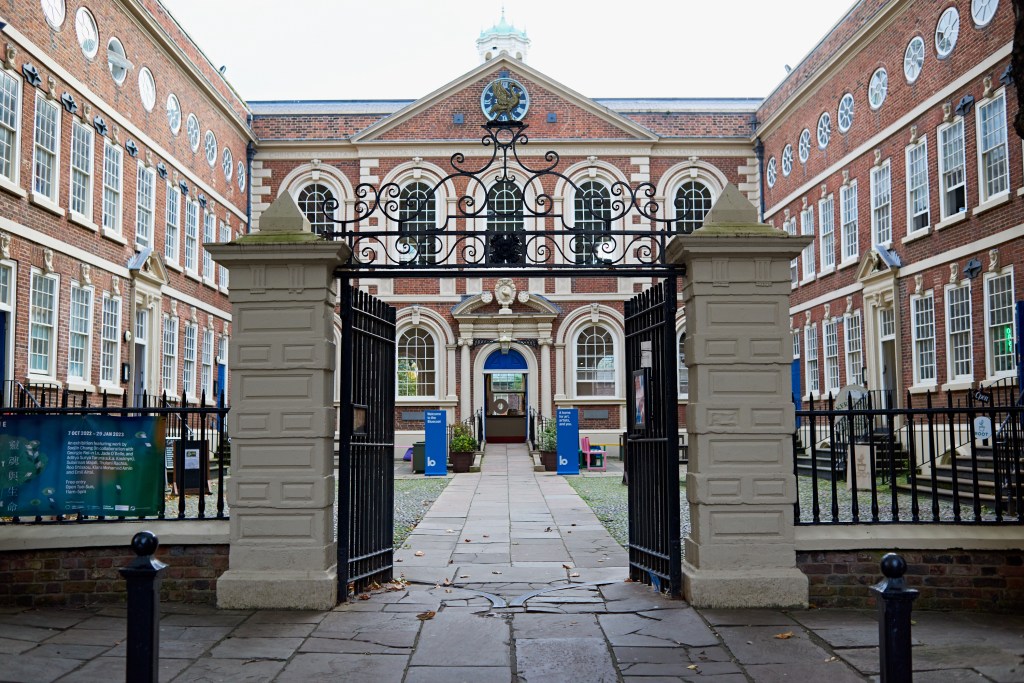
If you know Liverpool then you know how passionately the city celebrates its Irish connections, but October sees a boost in Celtic pride with the annual Liverpool Irish Festival. This year’s programme of events kicks off from 16 to 26 October and two of the festival venues, the Bluecoat arts centre and the pub Peter Kavanagh’s, feature in my book Irish Emigration to England Explored Through Buildings – The Green and The Grey.
The book’s title omits the need to explain its concept. The buildings featured in the book range from churches, offices, pubs to art establishments – spaces that supported Ireland-born migrants as they navigated work and everyday life in England. I particularly wanted to look at the emigration of artists as Irish creativity is usually mentioned as part of an individual’s back story, but until recently, rarely discussed as a national phenomenon.
The island of Ireland is a small country; mainland UK is three times its size. Yet, the country has produced, and continues to birth, significant artists such as William Orpen, Francis Bacon, Rita Duffy and Justin Fitzpatrick to name a few. However, historically both Southern and Northern Ireland has lacked the infrastructure and patronage to support significant visual arts sectors and markets, which has led to artists moving overseas to pursue their studies and careers. Given the proximity of England, artists have headed to the country’s art schools and cultural centres. The reasons for this situation are varied, but according to a 2022 keynote presentation by the art critic and curator Dr Róisín Kennedy, in the Republic of Ireland they include a post-independence poorly funded museum sector.
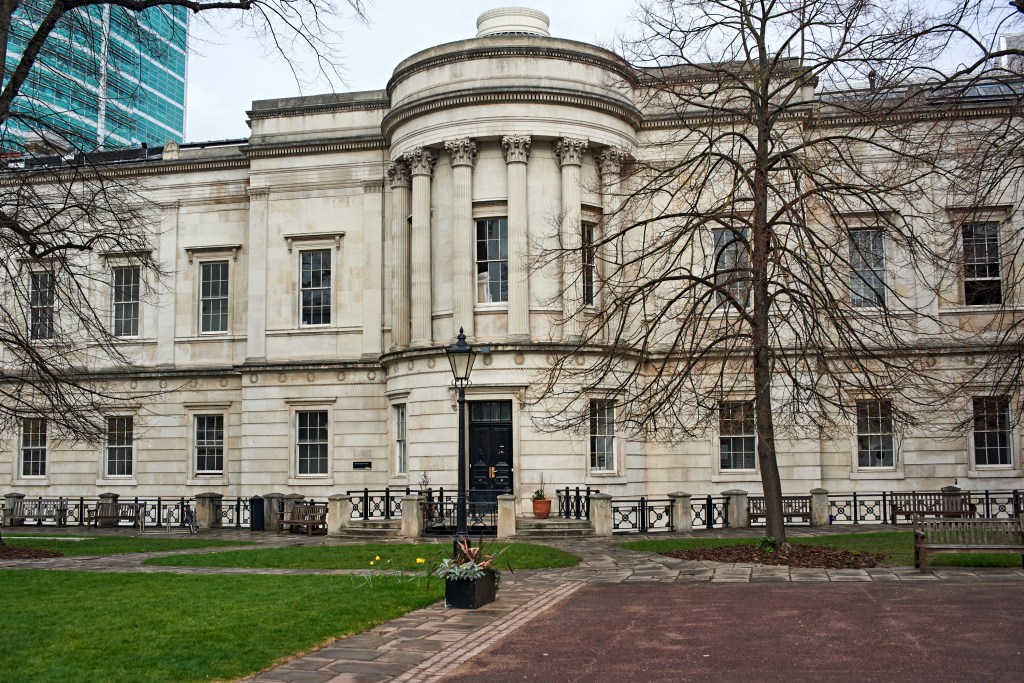
London, an established global art centre, has long attracted Irish talent, and in my book, I explore the connections between Ireland-born artists and the Slade School of Fine Art. Regional cities have also welcomed Ireland-born artists and cultural figures, such as the Herbert Art Gallery and Museum in Coventry, included in the book due to its appointment of the Belfast poet and peace campaigner John Hewitt as its first director in 1957.
Although both Southern and Northern Ireland have struggled to retain artists in previous years, since the nineties there has been a concerted effort by both states to rectify this situation. Stormont has provided significant funding for public art, and the Republic of Ireland has seen a rise in arts budgets and increased recognition of how art and culture contributes not just to social welfare but also economic prosperity. On its Culture Night, on September 19, the Republic’s President Michael D. Higgins gave an emotive speech on the role of arts in creating peaceful and fair societies. This investment is producing results, with articles, including on the official Art Basel website, touting Ireland as a cultural superpower.
Although Ireland-born artists may no longer feel pressure to relocate to pursue their craft and earn a living, the visual arts remain an important bridge between Ireland and England, especially in the case of Southern Ireland and the northwest region post-Brexit.
The magnificent Bluecoat is in discussions with the Liverpool Irish Festival on how each organisation can contribute to the Metro Mayoral initiative that seeks to strengthen ties with the island of Ireland. According to Emma Smith, Liverpool Irish Festival’s artistic director, this is due to the many Irish lives that have had connections with the Grade I listed building, over a history of artists occupying and showing work there.
The narrative of Ireland-born citizens emigrating to England to take up jobs in healthcare, factories and construction sites and the value they added to the English economy is well known, but hopefully Irish Emigration to England Explored Through Buildings highlights how artists have also contributed to English society through their creativity.
Samantha Lyster is a freelance journalist. Irish Emigration to England Explored Through Buildings publishes on 28th November 2025, and you can pre-order it here.

Follow us for more updates
Sign up to our mailing list
Follow us on social media
www.liverpooluniversitypress.co.uk
 Liverpool University Press Blog