
As part of our 125th anniversary, we are celebrating authors who published their first work with LUP and have gone on to have successful writing careers. Here is Alison Welsby, Editorial Director at LUP, in conversation with the acclaimed and award-winning crime fiction writer, Ann Cleeves, whose first published work was a chapter in LUP’s 1982 publication, Hilbre, The Cheshire Island: Its History and Natural History, edited by J. D. Craggs.
Alison: Thank you so much Ann for taking the time to talk to me today. Your first published work was a chapter about living on Hilbre, three small islands of the estuary of the River Dee, West Kirkby. What was it like living on Hilbre?
Ann: We moved to Hilbre in 1977 soon after we were married. We started life there in the autumn and loved the island – we were used to wild and remote places. It was a bit of a shock on the first sunny day in the spring to see so many people flocking across the shore to join us. It’s sad that there are no permanent residents on the island now, though the bird observatory is thriving. We left in 1981 when our first daughter was six months old. There was no mains electricity or water, and as she got older we thought she might need a bit more company. I also started as a student of Liverpool University at the same time as we moved to the island. I was doing a social work diploma in the School of Extension Studies. It was a strange existence, walking out in front of the tide, and heading to Liverpool for study or Birkenhead for my work placement.
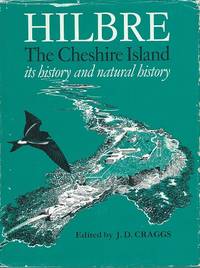
Alison: It sounds an amazing life, quite idyllic. How did the commission for the chapter come about?
Ann: Prof Craggs, the editor, was a close friend and a member of the observatory. I’d met him and his wife Dorothy when I was cooking in Fair Isle. He was a passionate birder. On the days when the tides were too awkward for me to get home, they invited me to stay in their home in West Kirby. I think Prof Craggs felt he needed a human angle to the book, and asked me to write the piece.
Alison: Prof Craggs chose well in asking you to write a chapter! What research did you do for the chapter and has this changed from the research you do now for your writing?
Ann: I didn’t do any real research – I just kept a diary of a year on the island. Each month is very different there. My research is still mostly informal. I have a good friend who is a forensic pathologist and I often consult him.
Alison: How did it feel receiving your copy of Hilbre and seeing your name in print?
Ann: It was, of course, very exciting, but most of the important contributions came from the scientists and historians who worked on the book.
Alison: Did you know at this time you would move into fiction? Had you started work on A Bird in the Hand at this stage?
Ann: I started writing A Bird in the Hand when I was pregnant with my daughter and taking time off work. I’ve always been more comfortable writing fiction. I did one non-fiction book about Shetland, but I find facts hard and unforgiving things!
Alison: You have had an outstanding and successful writing career. What has been the biggest change you have seen over the last forty years?
Ann: The biggest change in publishing has been that submission and editing is now entirely digital. When I started, I spent more time typing up the manuscript than creating the story. And there are a lot fewer boozy lunches!
Alison: Ah, we all miss the lunches! What advice do you have for writers starting out today?
Ann: The biggest piece of advice is to finish the book before submitting it to an agent or publisher. Beginnings are easy and exciting, but you need to have the stamina to complete the book and the engagement to stay excited. It’s important not to write to the market, which will have changed before the book is finished. And have the confidence to find your own voice, even if that seems out of step with what is commercially popular.
Alison: Wonderful advice, thank you Ann, and thank you for your time today. Before we end, can you reveal what you are currently working on?
Ann: My new Vera Stanhope novel, The Dark Wives, comes out in August.
Alison: Thank you Ann. We look forward to reading it!
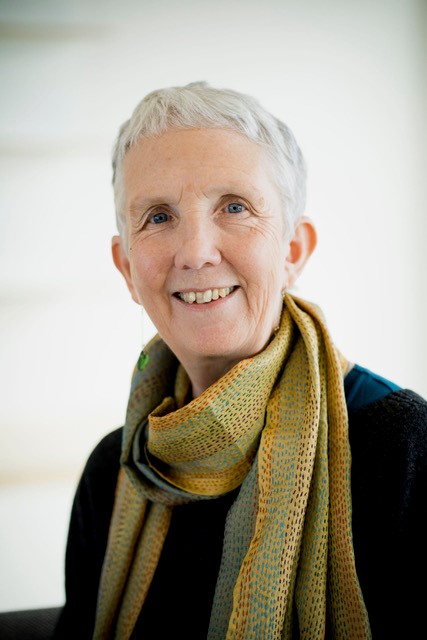
Ann Cleeves is the author of 37 critically acclaimed novels, an international bestseller translated into over 20 languages worldwide. In 2017 was awarded the highest accolade in crime writing, the CWA Diamond Dagger. She is the creator of popular detectives Vera Stanhope, Jimmy Perez and Matthew Venn, who can be found on television in ITV’s Vera, BBC One’s Shetland and ITV’s The Long Call respectively. The TV series and the books they are based on have become international sensations, capturing the minds of millions worldwide. Her eleventh Vera book, The Dark Wives, publishes August 2024. You can find Ann on Twitter and Facebook @AnnCleeves.
To mark Ann Cleeves’ time on Hilbre which led to her first publication with LUP, access a free issue of Transactions of the Historic Society of Lancashire and Cheshire which publishes research on diverse aspects of the history of the historic counties of Lancashire and Cheshire (including modern-day Merseyside and Greater Manchester).
Access Volume 170, Issue 1 for free on the LUP website >

Follow us for more updates
Sign up to our mailing list
Twitter | Instagram
www.liverpooluniversitypress.co.uk
 Liverpool University Press Blog