
To mark Disability History Month in the UK, we’ve collated a reading list from our books and journals that engage with ideas and narratives of disability, particularly our Representations: Health, Disability, Culture and Society book series and our leading publication The Journal of Literary and Cultural Disability Studies.
A history of disability in England: From the medieval period to the present day by Simon Jarrett
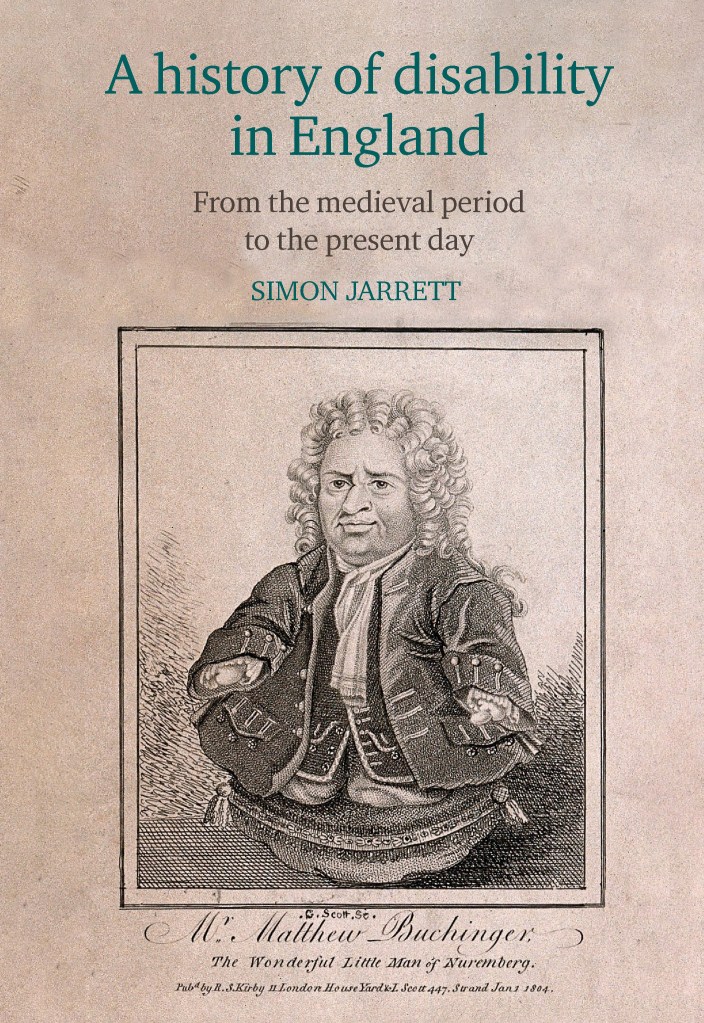
This thousand-year history of people with disabilities in English society ranges from the surprisingly integrated societies of the medieval and early modern periods to the institutionalisation of the 19th and 20th centuries. This book holds important lessons for modern society as it professes to seek ‘inclusion’. Published in partnership with Historic England.
Intellectual Disability and Ireland, 1947–1996: Towards A Full Life? by David Kilgannon
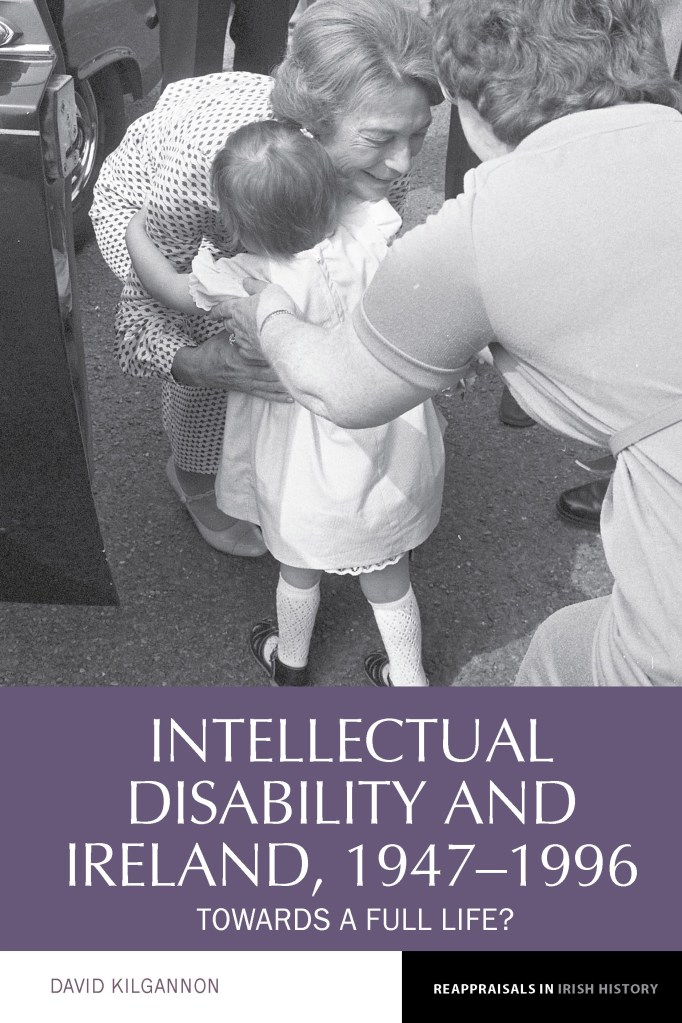
This new study charts the evolving shape of policy and provision for the intellectually disabled in post-war Ireland. Addressing developments across residential institutions, ‘special schools’, community-based accommodation and work training programmes, it presents a complex picture of change and continuity for both the intellectually disabled and wider Irish society. Available Open Access.
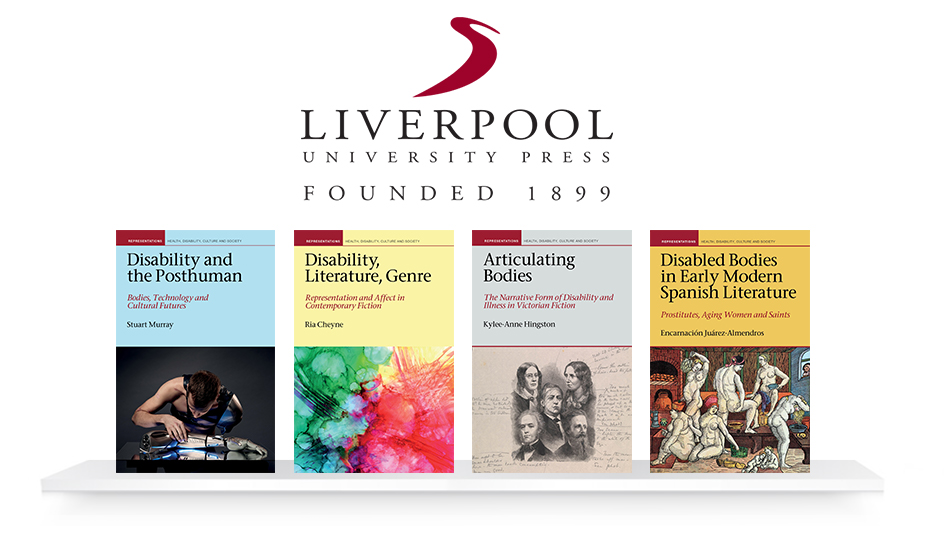
Disability and the Posthuman: Bodies, Technology, and Cultural Futures by Stuart Fletcher Murray
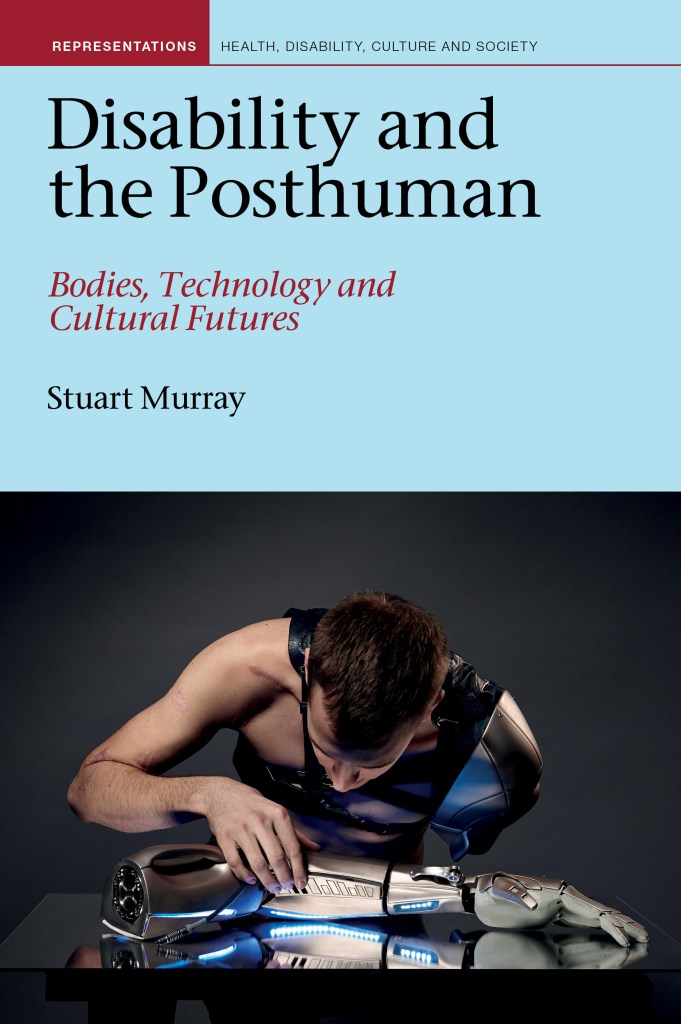
Disability and the Posthuman analyses cultural representations and deployments of disability as they interact with posthumanist theories of embodied technologies. Working across texts from contemporary writing and film, it argues that there are exciting, productive possibilities and subversive potentials in the dialogue between disability and posthumanism when read as generating sustainable yet radical critical spaces. Available Open Access.
Articulating Bodies: The Narrative Form of Disability and Illness in Victorian Fiction by Kylee-Anne Hingston
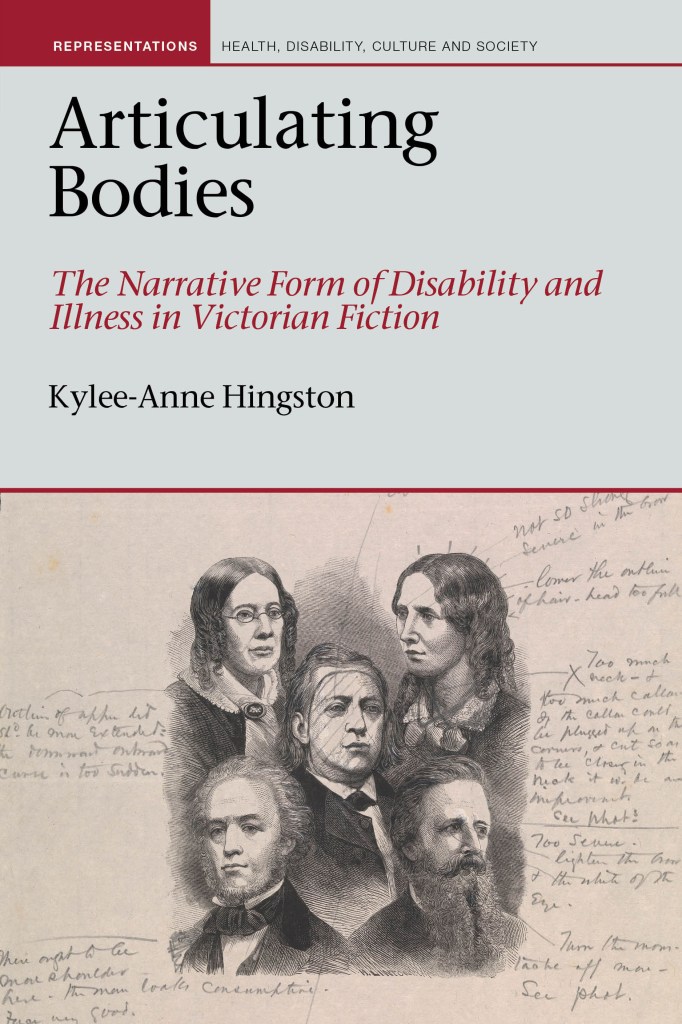
Articulating Bodies shows how Victorian fiction’s narrative form as well as narrative theme to negotiate how to categorize bodies, both constructing and questioning the boundary dividing normalcy from abnormality. Now available in paperback. Available Open Access.
Body Technologies in the Greco-Roman World: Technosôma, gender and sex by Maria Gerolemou and Giulia Maria Chesi
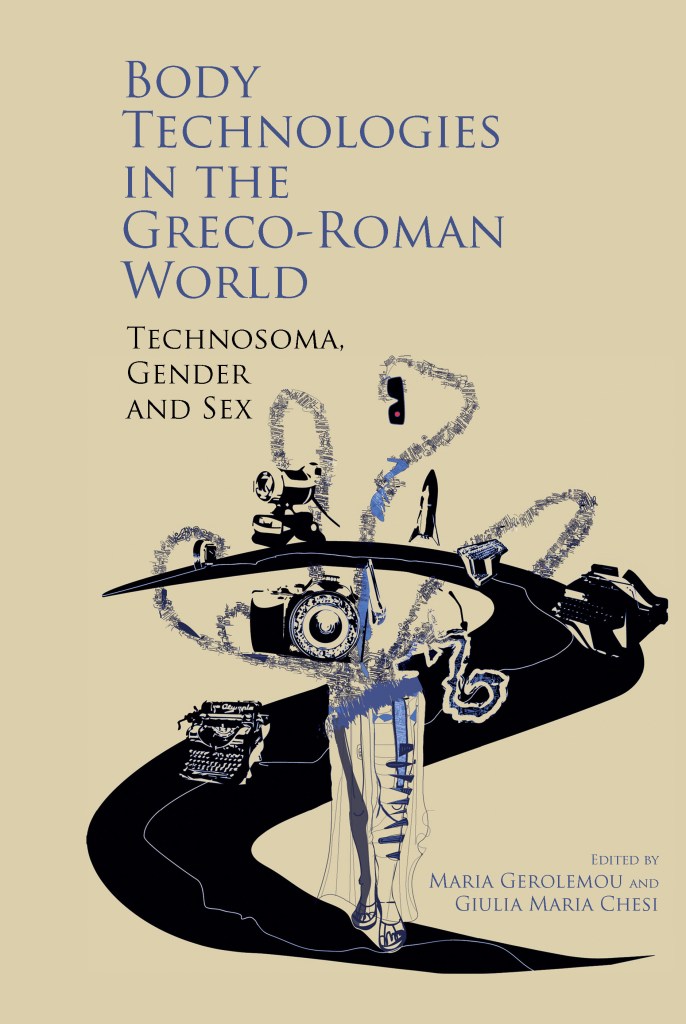
This volume introduces the notion of the technosoma (techno body) into discussions on the representations of the body in classical antiquity. It investigates up to what extent techno bodies destabilize or reaffirm cultural stereotypes by exploring their intersection with gender and sexuality, and with the categories of colour and race, speciesism, age, class, and education.
The following journal articles have also been made Free to Read throughout November and December to celebrate Disability History Month 2023:
• Gerry Canavan, Anindita Banerjee, Dan Hassler-Forest, ‘Disability and SF Film and Television’, Science Fiction Film & Television, 15.2 (2022)
• Jennifer Nagtegaal, ‘Comics Criticism from Within. Metatextual Musings on Comics and Cognitive Disability in Emotional World Tour: diarios itinerantes (2009) by Miguel Gallardo and Paco Roca’, Bulletin of Hispanic Studies 99.4 (2022)
• Lee-Ann Monk, ‘Disability as Labour History’, Labour History, 119.1 (2020)
• Joanna Grzymała-Moszczyńska, Krystian Barzykowski, Halina Grzymała-Moszczyńska, Magdalena Kosno and Daniel Dzida, ‘Discrimination or not? Romani children in Polish special schools and diagnoses of intellectual disability’, Romani Studies, 29.1 (2019)
• Hannah Thompson, ‘Lourdes’s Monsters: A Critical Disability Studies Reading of the Spectacle of Disability’, Australian Journal of French Studies 55.2 (2018)
• Jared S. Richman, ‘Monstrous Elocution: Disability and Passing in Frankenstein’, Essays in Romanticism 25.2 (2018)
• Natalie Abbott, “Nothing Is Uglier than Ignorance”: Art, Disability Studies, and the Disability Community in the Positive Exposure Photography Project’, Journal of Literary & Cultural Disability Studies 5.1 (2011)
• Dan Goodley, ‘Bringing the Psyche back into Disability Studies: The Case of the Body with/out Organs’, Journal of Literary & Cultural Disability Studies, 3.3 (2009)
Call for proposals – Representations: Health, Disability, Culture and Society
This book series provides a ground-breaking and innovative selection of titles that showcase new interdisciplinary research on cultural representations of health and embodiment. It includes works on disability, illness, ageing, sexuality, gender, race, affect, care, technology, and the body as spectacle, and engages with a rich variety of cultural forms including films, novels, comics, medical texts and public exhibitions.
Proposals are warmly invited for the series; please contact commissioning editor Alison Welsby (a.welsby@liverpool.ac.uk) with a Proposal Submission Form.
Why publish with Liverpool University Press?
Liverpool University Press excels at publishing thought-provoking and engaging research that challenges and contributes to knowledge and debates. Winning the Bookseller Industry Award and IPG Award for Academic Publisher of the Year, we are an innovative publisher who combines a distinguished history of over 120 years with a forward-thinking mindset. Whether you are starting out on your academic career or you are an experienced author with numerous publications, our team will look after you and your work.

Follow us for more updates
Sign up to our mailing list
Twitter | Instagram
www.liverpooluniversitypress.co.uk
 Liverpool University Press Blog