
Join Katy Hooper, Special Collections Librarian at the University of Liverpool and editor of recent publication Collecting Stories: The Cultural Collections of the University of Liverpool, on a walking tour around the University of Liverpool campus to see many of the items featured in this new book in real life.
Collecting Stories: The Cultural Collections of the University of Liverpool explores the histories behind 52 of the most striking items acquired over fifteen decades of collecting by the University of Liverpool’s Libraries, Museums and Galleries, and the Botanic Gardens at Ness. As editor of the volume, I relied on many knowledgeable contributors to write their stories, but I had not seen every object in real life. As about half of these objects can be seen on display around the University precinct, I decided to take a walking tour to see them in person. The route described below gives the number of each object mentioned (in bold if it is currently on public display) and took me about 90 minutes, including stops for refreshment along the way.
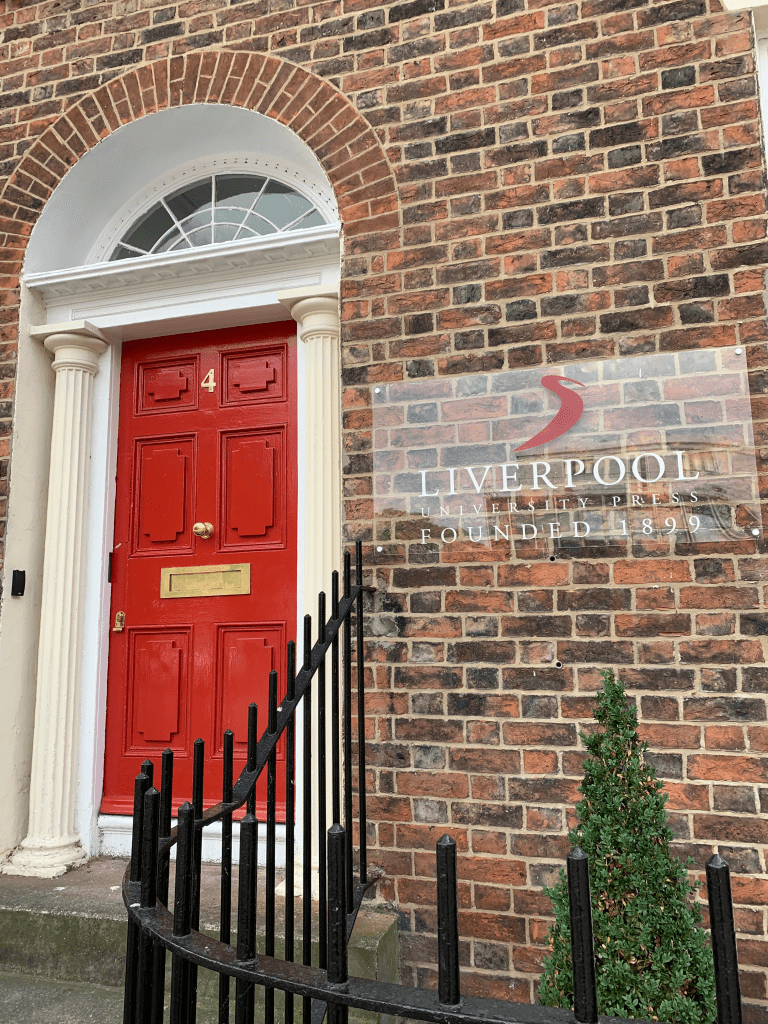
I’m starting out, book in hand, outside the red door marking the offices of Liverpool University Press, at 2-4, Cambridge Street, on the south-eastern corner of the campus. Looking east, I can see the green space of Abercromby Square, surrounded by nineteenth-century houses which include some previous homes of the collections. On the west side, the former University Art Gallery, and beyond it the Institute of Irish Studies, which housed the McLua Archive (entry 31). Walking along the south side of the Square, to the corner with Chatham Street, brings me to the recently reopened Garstang Museum of Archaeology (7, 10, 16) where items 10 and 16 can be seen during public opening hours, Wednesday and Thursday 10am-4pm. Entrance is free. Seeing the 5000-year-old ivory label 10 and wooden sundial 16 reminds me just how small these objects are.
Walking north across the east side of the Square I pass the Sydney Jones Library, which, since it opened in 1977, has brought together a wide variety of archival, printed and manuscript collections in its Special Collections & Archives. It now houses the earliest manuscripts (you can explore items 20 and 27 on the Digital Heritage Lab platform) and rare books, the Science Fiction collections, and the Institute of Popular Music, Cunard and University Archives. Continuing north I pass the Abercromby Wing extension to the Library (the former Senate House), and the site of St Catherine’s Church, mentioned in entry 2.
Crossing Oxford Street, I walk through a short passage between the School of the Arts at 19-23 Abercromby Square and the Oliver Lodge building. The wood-panelled Old Library in the School of the Arts was once home to many of the fine books and manuscripts which Charles Sydney Jones presented to the School of Education (items 14 and 24), later joined by teaching materials collected for the School (item 35). Passing the open space of the Green and the Department of Chemistry (entry 34) brings me to Central Campus and the Central Teaching Hub, where thousands of students encounter item 37 as they head to lectures and laboratories.
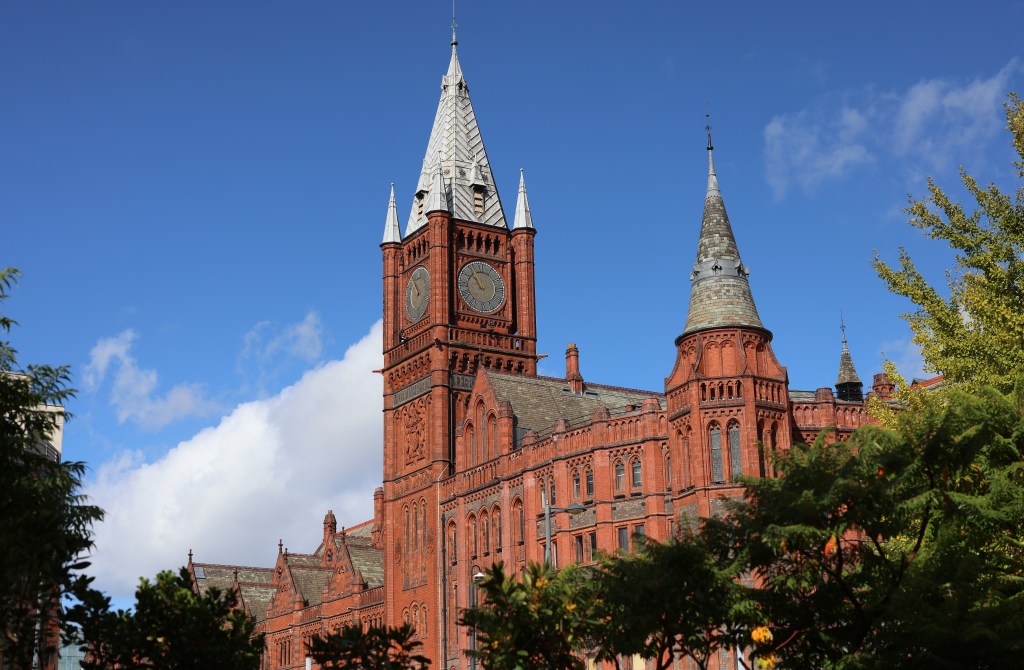
Looking west I can see the clock tower of the Victoria Building and I head towards this iconic home of the Victoria Gallery and Museum. I am walking over the once open railway cutting described in entry 24. On the other side of University Square I cross Brownlow Hill onto North Campus and pause to admire images from the collections displayed on the VG&M, including items 3 and 50. The VG&M provides free access to the widest selection of objects across all the cultural collections, with free entry Tuesday to Saturday 10am – 5pm (last entry at 4.30pm). In the first floor Sculpture Gallery I can admire first-hand the striking contemporary carved bowl 50. The magnificent Turner painting 26 is also on display currently, but at the Walker Art Gallery (their exhibition Turner: Always Contemporary runs until February 2026).
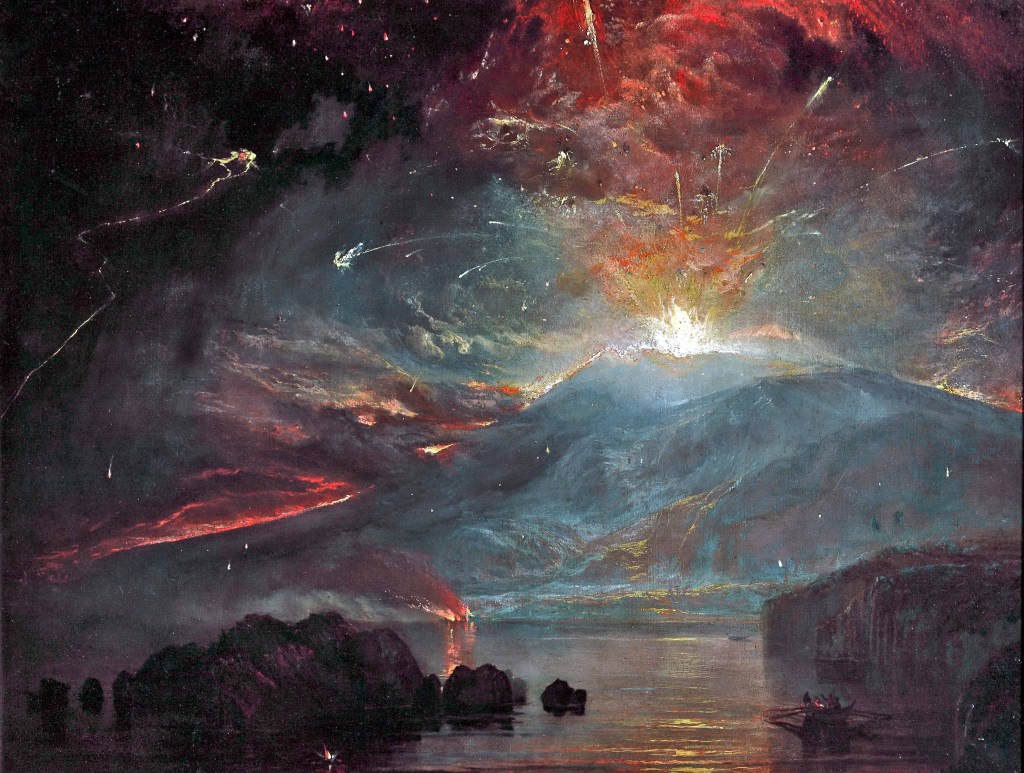
Image courtesy of the University of Liverpool.
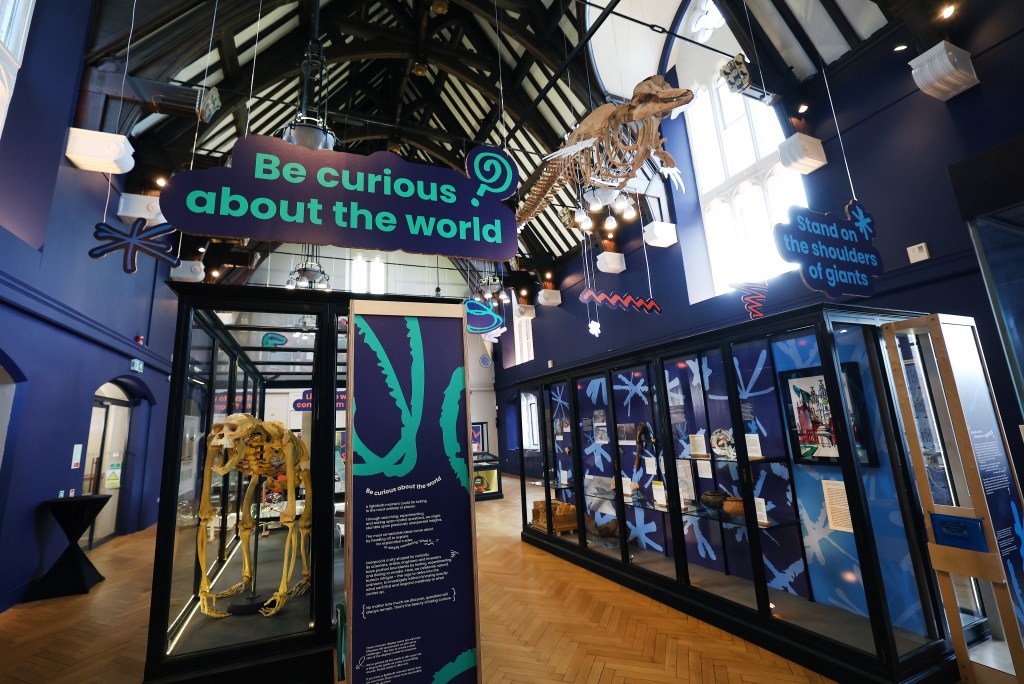
Pausing on the landing, I take in the space depicted on the building plan (item 2) showing ‘The New Library Block and Jubilee Clock Tower’. The Tate Library (opened 1892) was fitted out to house the library of Liverpool University College, whose earliest donations and purchases occupied its shelves. Tate Hall has recently reopened after five years with its first cross-collection exhibition, Lightbulb moments. This is where I can encounter in one space items 2, 3, 5, 9, 13, 30, 32, 33, 38, 39, 41, 43, 45 and 51. It will take me a while! The exhibition will run until 2027, but exactly which objects are displayed will vary slightly as required to meet their conservation needs.
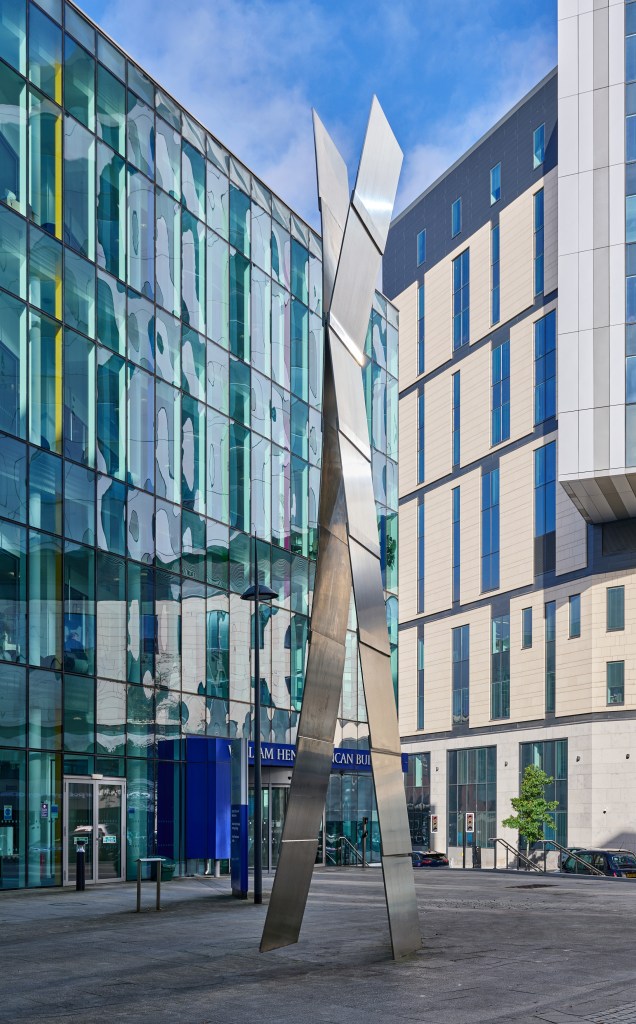
Refreshed by a break in the Waterhouse café, I emerge opposite the University’s second purpose-built Library, the Harold Cohen Library (opened 1938). Dora Yates (18, 28) had her office here. Along the wall to my left is an archway through to the Quadrangle, another welcome green space, overlooked by the windows of Tate Hall. I cross to an archway between the Whelan and Thompson Yates Buildings to find Elisabeth Frink’s Running Man 46. Opposite me across Dover Street are more Waterhouse Buildings which I pass to my left as I head back to Ashton Street. I head north away from the Harold Cohen Library to the edge of campus and the new Royal Liverpool University Hospital. Opposite the entrance on West Derby Street, between the William Henry Duncan and Ronald Ross buildings I glimpse the tallest item in the book, Form-A 47, itself dwarfed itself by the buildings which surround it. Perhaps those working in them can see across to Ness gardens on the Wirral and the final item in Collecting Stories – the Sorbus bulleyana 52 in its autumnal hue of glowing pink berries. That suggests a whole new walk…
– Katy Hooper, Special Collections Librarian, University of Liverpool

Follow us for more updates
Sign up to our mailing list
Follow us on social media
www.liverpooluniversitypress.co.uk
 Liverpool University Press Blog