
This Halloween, the team at LUP have pulled together a selection of some of our spookiest books and journal articles – from ghosts in Greek tragedy to a postcolonial reading of the zombie. Find out more about our top picks across Art, Literature, History, and Culture below.
Browse our Books
New in Paperback
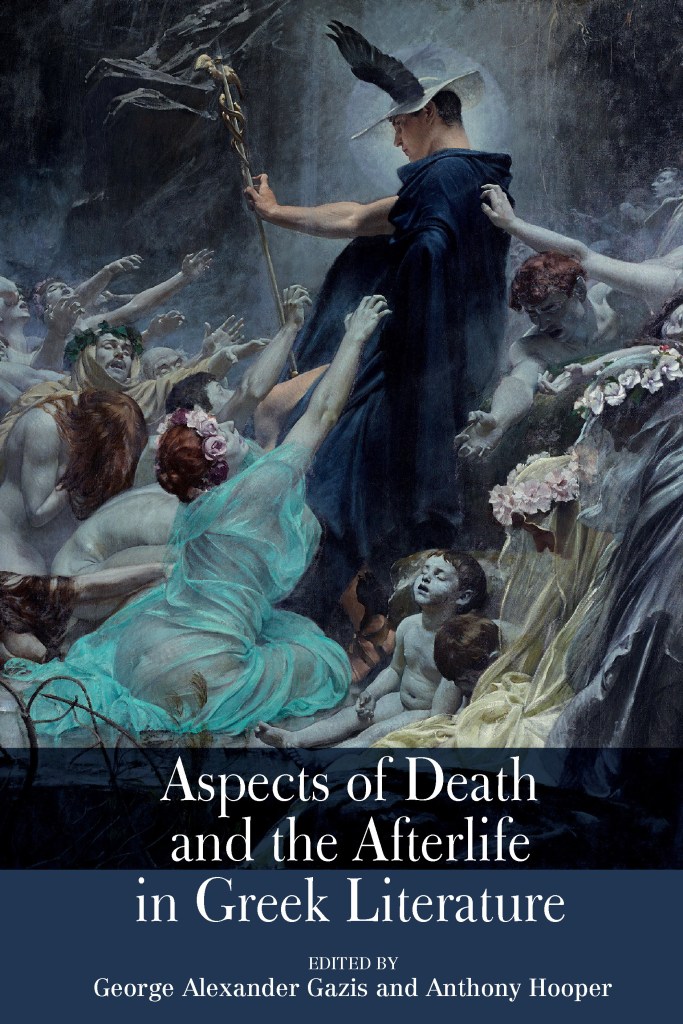
Aspects of Death and the Afterlife in Greek Literature, Ed. George Alexander Gazis & Anthony Hooper
The concept of the afterlife has always been prominent in both Greek literature and modern scholarship alike. This volume represents the first to examine the influences, intersections, and developments of understandings of death and the afterlife between poetic, religious, and philosophical traditions in ancient Greece in one resource.

Eyes Wide Shut: Behind Stanley Kubrick’s Masterpiece, Ed. Nathan Abrams & Georgina Orgill
Twenty years after its release, Stanley Kubrick’s Eyes Wide Shut (1999) remains a complex, visually arresting film about marriage, jealousy, domesticity, adultery, sexual disturbance, and dreams. The first title in LUP’s new Stanley Kubrick Studies series brings scholars from diverse disciplinary backgrounds together with those who worked on the film to explore its legacy, discuss its impact, and consider its position within Kubrick’s oeuvre and the wider visual and socio-political culture.

The Wicker Man, Steve A. Wiggins
Fans of Robin Hardy’s The Wicker Man (1973) may know that this classic is considered a fine example of folk horror. Few will consider that it’s also a prime example of holiday horror – a genre more recently explored in Ari Aster’s Midsommar (2019). In this Devil’s Advocate, Steve A. Wiggins delineates what holiday horror is, and how Hardy uses it to explore questions of sexuality, fertility, and theology in a way that makes the film’s fiery ending practically inevitable.

Ecology of the Zombie: World-Culture and the Monstrous, Kerstin Oloff
Ecology of the Zombie (2023) marks a significant intervention into the fields of world literature, film studies, ecocriticism, and Gothic Studies. Arguing that the zombie is a fundamentally ecological figure, the book offers original readings of a range of cultural texts from across the Caribbean and the U.S.. With striking comparative analysis, Oloff brings the work of René Depestre into conversation with that of Ralph Ellison, and highlights the pivotal role the Caribbean has played in the emergence of capitalist modernity.
New in Paperback
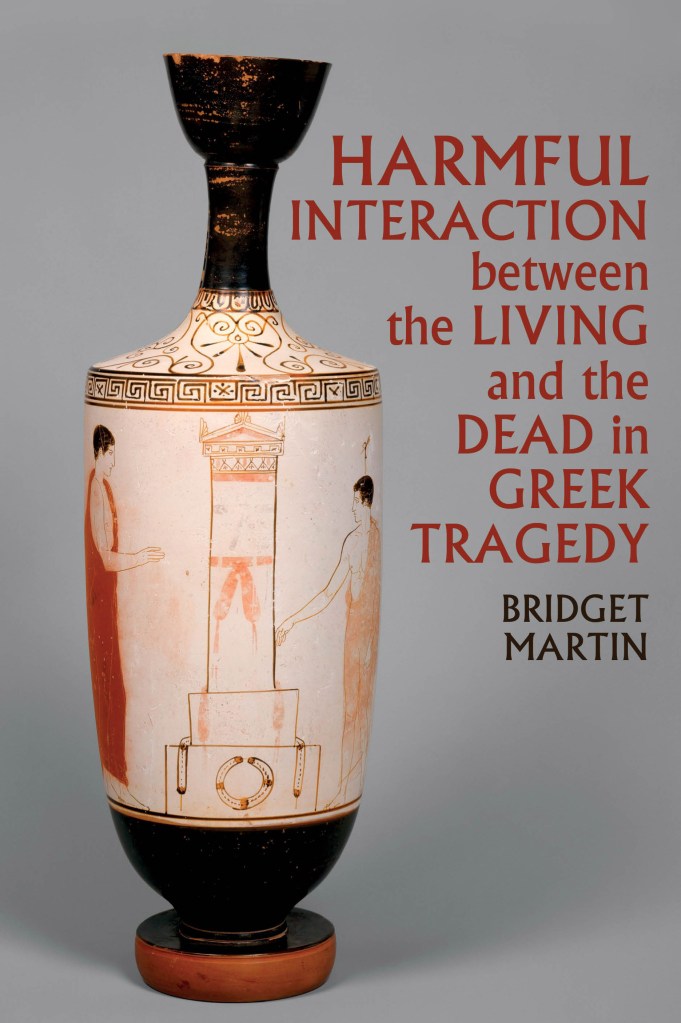
Harmful Interaction between the Living and the Dead in Greek Tragedy, Ed. Bridget Martin
Fifth-century Greek tragedy contains some of the most fascinating and important stage-ghosts in Western literature. These manifest figures can tell us a vast amount about the abilities of the tragic dead, particularly in relation to the nature, extent, and limitations of their interaction with the living. Beyond these manifest dead, tragedy presents a wealth of invisible dead whose anger and desire for revenge bubbles up from the Underworld. From corpse mutilation to avenging gods, Martin’s book examines power, autonomy, and the harmful consequences of necromancy.
Browse our Journals
The following journal articles are free to read throughout November – access them in full on the LUP website:

‘Eliot’s Ghost Story’, Jewel Spears Brooker
The T. S. Eliot Studies Annual, 3.1 (2021)
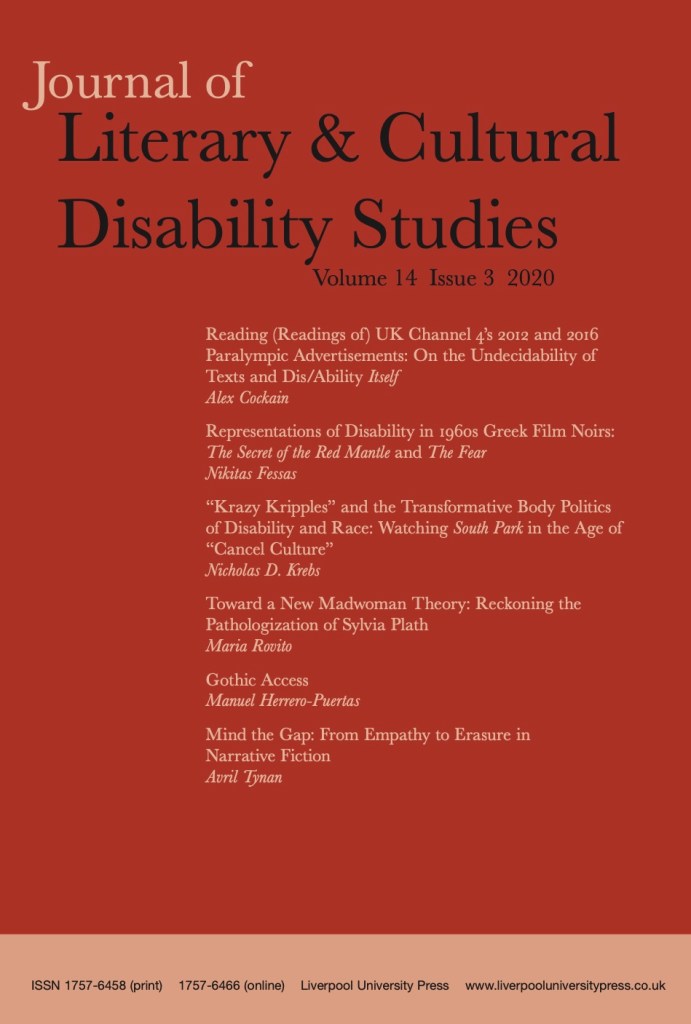
‘Gothic Access’, Manuel Herrero-Puertas
Journal of Literary & Cultural Disability Studies, 14.3 (2020)
‘Searching for Franklin: A Contemporary Canadian Ghost Story’, Shane McCorristine
British Journal of Canadian Studies, 26.1 (2013)
‘Basque Ghosts, Spanish Spectres: Jon Juaristi’s Cambio de destino and the Self-fashioning of a (Still) Nationalist Intellectual’, Stephanie Mueller
Bulletin of Hispanic Studies, 91.4 (2014)
‘Dracula, the Vampire in Catalonia: Between Literature and Cinema through Pere Gimferrer’, Lídia Geronès
Catalan Review, 28 (2014)
‘The Sculptor’s Ghost – The Vase of Belt V. Lawes’, John Sankey
Sculpture Journal, 16.2 (2007)

‘Vampires, Werewolves and Strong Women: Alternate Histories or the Re-writing of Race and Gender in Brazilian History’, M. Elizabeth Ginway
Extrapolation, 44.3 (2003)
‘Skin Deep? Surgical Horror and the Impossibility of Becoming Woman in Almodóvar’s The Skin I Live In‘, Xavier Reyes
Bulletin of Hispanic Studies, 90.7 (2013)
‘Horror Versus Tragedy: Mary Shelley’s Frankenstein and Olaf Stapledon’s Sirius‘, Curtis C. Smith
Extrapolation, 26.1 (1985)
Hidden Horror Histories: A New Series from Liverpool University Press

Affiliated with the BAFTSS Horror Studies Special Interest Group, Hidden Horror Histories is a new series from Liverpool University Press focusing on under-explored areas of screen horror.
Read more about the series and how to submit your proposals here.

Follow us for more updates
Sign up to our mailing list
Twitter | Instagram
www.liverpooluniversitypress.co.uk
 Liverpool University Press Blog