
Each year, we proudly commemorate the Stonewall Uprising in solidarity with all lesbian, gay, bisexual, transgender, and queer people.
In the early hours of 28 June 1969, police officers raided the Stonewall Inn in New York City. They weaponised a law from 1845 — which forbade ‘unusual or unnatural attire’ — to criminalise drag-queens, trans people, or anybody considered to be gender non-conforming (New York Penal Code 240.35, Subsection 4).
The raid was not unique but part of a campaign of systemic violence accelerated in the 1950s.
Across New York State, same-sex sexual activity was not legalised until 1980; in Northern Ireland, it remained illegal until 1982.
That mid-summer night in Manhattan was the nucleation site around which resistance crystallised. In the aftermath, history was made by the bravery and organisational strategy of lesbian women, transgender people, gay men, gender non-conforming people, drag queens, and other members of the queer community.
The Pride movement was born on Christopher Street, washed in the revolving red-blue lights of the NYPD.
Fifty-five years later, same-sex marriage is recognised in thirty-eight countries. At the same time, queer people continue to face global persecution including the death penalty.
It is important that we continue to produce, promote, and excavate queer histories as part of a broader movement towards justice and peace.
To mark this year’s Pride Month, we’ve put together a selection of books and journal articles.
Transformismo: Performing Trans/Queer Cuba by M. Myrta Leslie Santana
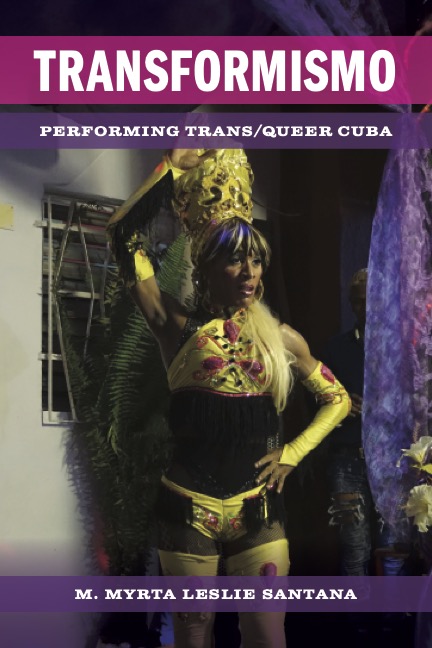
M. Myrta Leslie Santana draws on years of embedded research within Cuban trans/queer communities to analyse how transformistas, or drag performers, understand their roles in the social transformation of the island.
Published by University of Michigan Press and distributed by Liverpool Distribution Services.
HIV/AIDS and the Stage: Politics and Performance in Neoliberal Times by Louisa Hann
In establishing a genealogy of HIV/AIDS theatre that incorporates both close dramaturgical analysis and wider materialist considerations, this book elucidates how neoliberalism has established an ever-stronger grip on the genre and its messaging. In so doing, Louisa Hann poses wider questions about theatre’s role as a political strategy in the contemporary context of neoliberal hegemonic crisis.
Ebook available to libraries exclusively as part of the JSTOR Path to Open initiative.
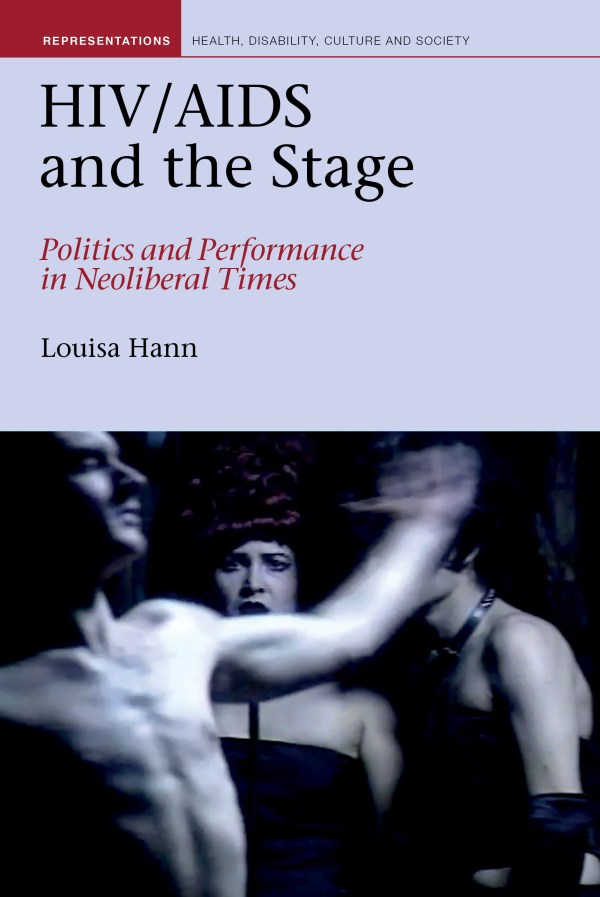
Image of a Man: The Journal of Keith Vaughan by Alex Belsey
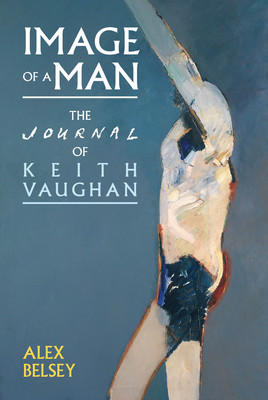
Belsey’s critical biography reveals Vaughan’s continual process of self-construction through journal-writing, undertaken to navigate the difficulties of conscientious objection, the complications of desire as a gay man, and the challenges of making meaningful art.
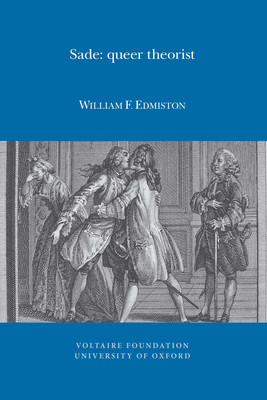
Sade: Queer Theorist by William F. Edmiston
Through revealing Sade’s attempts to undermine prevailing gender roles and sexual identities, Edmiston uncovers a ‘queer’ discourse that challenges the still common assumption that heterosexuality is exclusively natural and normative, and that nature has always prompted humans to reproduce, rather than to seek pleasure.
Ebook available to libraries as part of Oxford University Studies in the Enlightenment ONLINE
Speculative Endocrinology and the Mid-Century Trans Futurity of Gerald Heard by Scott Dexter in Extrapolations

In 1953, queer polymath Gerald Heard recognised that breakthroughs in endocrinology were beginning to dissolve destructive and archaic binaries of sex and gender. Fearing society’s response, he called on sf writers to create stories that would help us imagine—and welcome—new ways of being human that could be accessed through endocrine therapy. Scott Dexter reads the science and sf of the early twentieth century together, showing that the sf of the time was meaningfully engaged with both the science and the politics we now think of as trans.
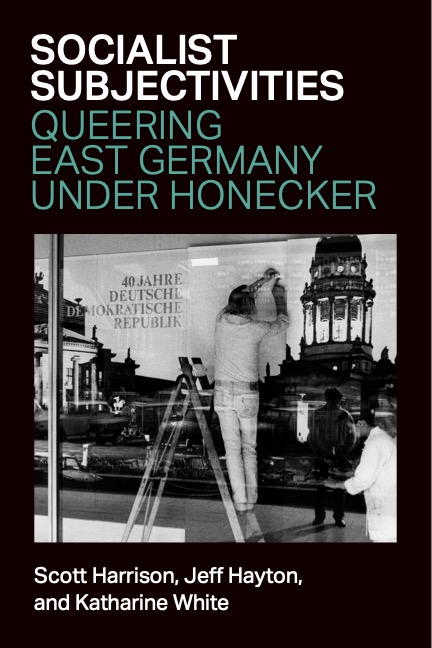
Socialist Subjectivities: Queering East Germany under Honecker by Katharine White, Scott Harrison, & Jeff Hayton
This edited volume works within the logics of queer time to reanimate East German subjectivities in the 1970s and 1980s beyond the narrative of the German Democratic Republic’s long march towards demise. It utilises queer temporalities to interrogate how individuals lived non-normative possibilities in a highly normative world.
Published by University of Michigan Press and distributed by Liverpool Distribution Services.
The following journal articles have been made Free to Read throughout June and July:
- Infancias Queer en el Cine Español: representaciones y evolución histórica by Stantiago Lomas Martínez & Beatriz González de Garay Domíngues
- Gay Paree: the origins of lesbian and gay commercial culture in the French Third Republic by Leslie Choquette
- Félix and the Light-hearted Gay Road Movie: Genre, Families, Fathers and the Decolonization of the Homosexual Self by Murray Pratt
- Haunted spaces: trauma, mourning, and melancholia in the HIV epidemic in France, by Brian Troth
- Centenary Paper: ‘Nossas amorizades’: Homosexual Love in José Luandino Vieira’s João Vêncio: os seus amores by Stephen Henighan
- Logical ‘phallicies’: Challenging the borders of masculinity and morality with a male gay/ze in L’Inconnu du lac by Paige Piper
- ‘Proud and Employed’: The Gay and Lesbian Movement and the Victorian Teachers’ Unions in the 1970s by Graham Willett
- Loving Solidarities and the Mā’ohi Family: Queer and Trans Care in the Novels of Titaua Peu by Eric Disbro
- Seeing Feeling: Queer Voyeurism in À la recherche du temps perdu by Adeline Soldin
Follow us for more updates
Sign up to our mailing list
Bluesky | Instagram
www.liverpooluniversitypress.co.uk
 Liverpool University Press Blog