
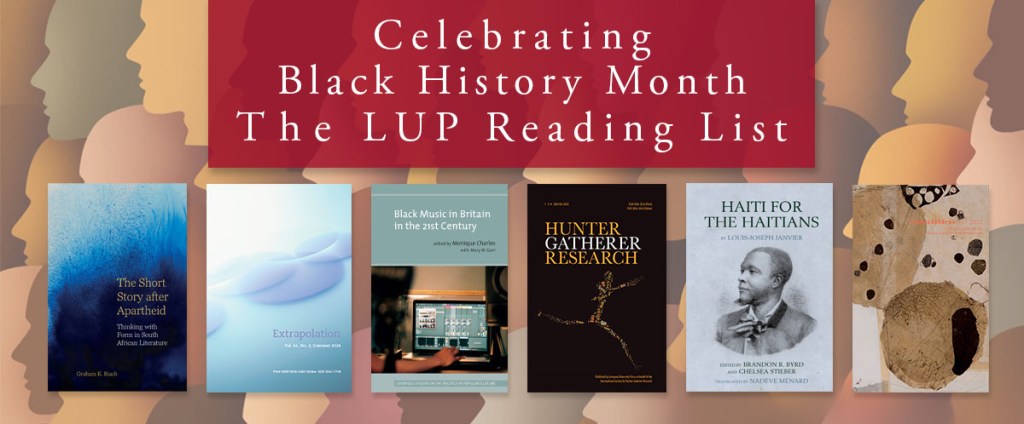
‘Reclaiming Narratives’ throughout Black History Month 2024
This year’s Black History Month theme, ‘Reclaiming Narratives’, marks a significant shift towards recognising and correcting the narratives of Black history and culture. By emphasising this theme, a collective effort can be made to shine a brighter light on stories, allegories, and histories that underscore our commitment to correcting historical inaccuracies and showcasing the untold success stories and the full complexity of Black heritage.
To mark Black History Month for 2024, we’ve put together a list of books and journal articles which provide new and critical insights into the area. Each article is either Open Access, or has been made Free to Read throughout October. Find out more about these books and articles below.
The following articles are Open Access or free to read throughout October:
Crystal Yin Lie, ‘“The Real Requires the Fantastic”: Teaching Comics, Race, and Disability in the Era of Black Lives Matter‘, Journal of Literary and Cultural Disability Studies (2024)

OPEN ACCESS ARTICLE
Xine Yao, ‘Black Skin, Red Masques: Reading Frantz Fanon and Audre Lorde in Tension with Edgar Allan Poe‘, Modern Languages Open (2023)
OPEN ACCESS ARTICLE
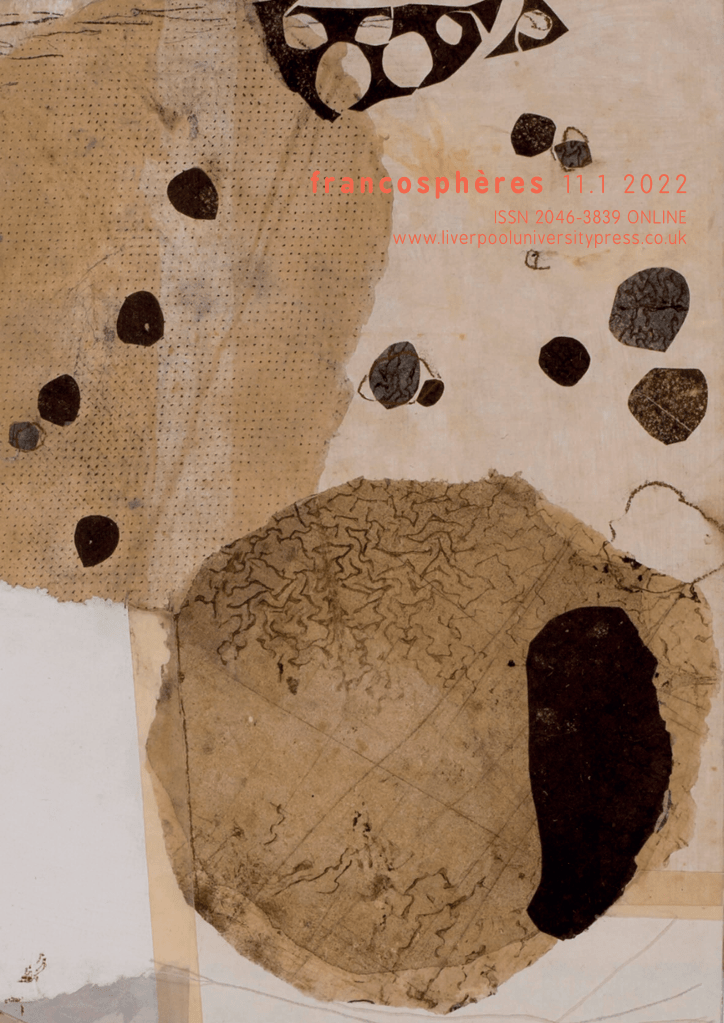
Deborah Leter, ‘Thinking French and African futures through utopian essays‘, Francosphères (2022)

Lidia Kniaź, ‘Capturing the Future Back in Africa‘, Extrapolation (2020)

Edward Eastwood, ‘From girls to women: female imagery in the San rock paintings of the Central Limpopo Basin, southern Africa‘, Hunter Gatherer Research (2005)
Browse a selection of our books on Black History:
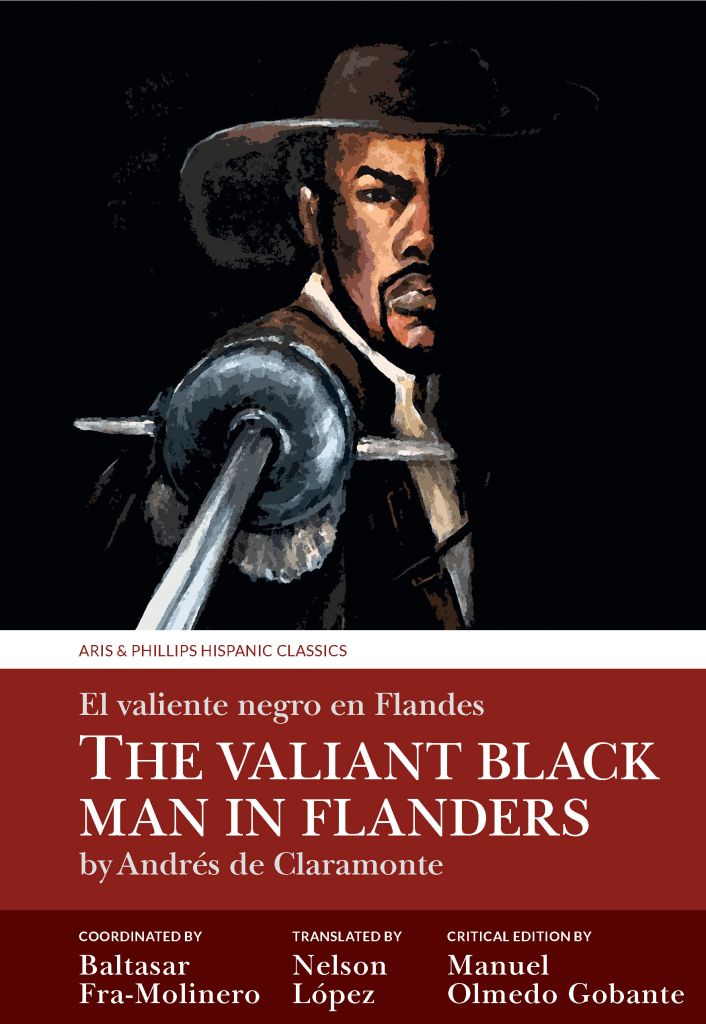
Andrés de Claramonte, The Valiant Black Man in Flanders / El valiente negro en Flandes
A play about Black pride and defiance of systemic racism. Juan de Mérida, an Afro-Spanish soldier, aspires to social advancement through his military prowess in the Netherlands during the Sixteenth century. Rather than the Dutch rebels, his enemies are his white countrymen, who try to humiliate him and fail. Key ideas include military culture, upward mobility, mistaken identities, defying destiny, royal pageantry, swordfights, cross-dressing, revenge, homosexual anxiety, and inter-racial marriage.
OPEN ACCESS TITLE
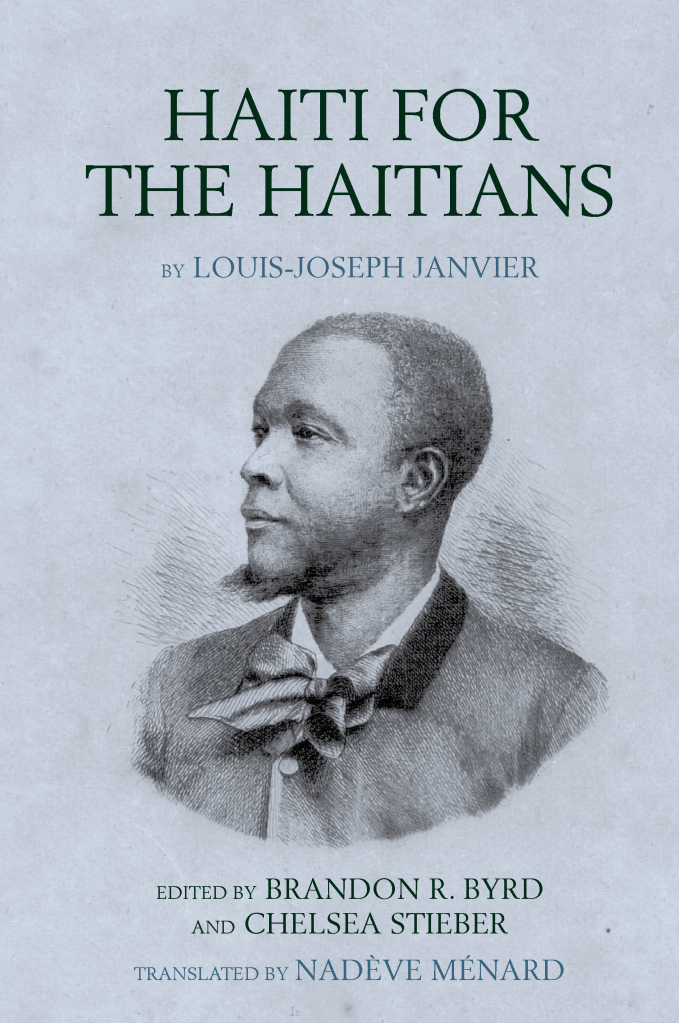
Brandon R. Byrd & Chelsea Stieber (eds) and Nadève Ménard (trans), Haiti for the Haitians
Haiti for the Haitians (1884) is Louis Joseph Janvier’s landmark critique of European imperialism, predatory finance capitalism, and Haitian politics. Translated here for the first time, this volume offers substantial analysis of this vital nineteenth-century Haitian thinker and his era’s international debates about slavery, race, nation, and empire.
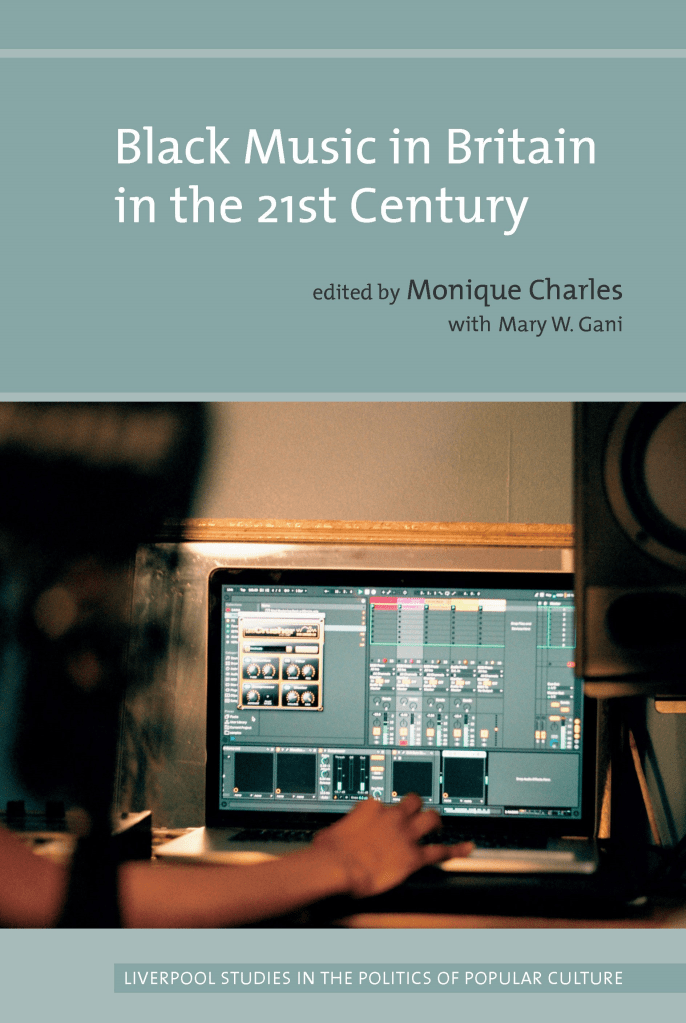
Monique Charles with Mary W. Gani, Black Music in Britain in the 21st Century
With a unique focus on 21st century Britain, this pioneering book engages with the diversity of Black British music. With a multidisciplinary and interdisciplinary approach, it examines diasporan cultural and musical contributions in Britain and Black Atlantic intra-dialogue. It explores 21st century music from cultural, sociological and political vantage points, incorporating the significant Black Atlantean, global interactions within Black music across time and space.
OPEN ACCESS TITLE
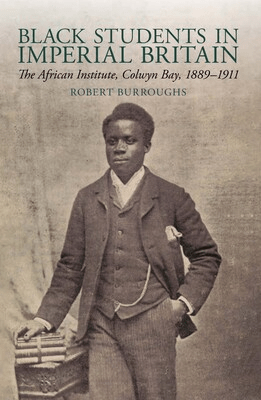
Robert Burroughs, Black Students in Imperial Britain
As well as experiencing the racism and paternalism of the late-nineteenth-century civilising mission, black students in late-Victorian Britain also participated as agents in a culture of evangelical humanitarianism. Some became leading missionaries, others adapted their experiences to new ends, participating in networks of pan-Africanism that questioned race prejudice and colonialism.
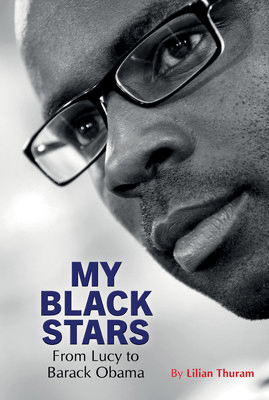
Lilian Thuram, translated by Laurent Dubois, My Black Stars: From Lucy to Barack Obama
This volume is a translation of the bestselling text, Mes Etoiles Noires, originally published in 2010 by the renowned French footballer, Lilian Thuram, who has, since his retirement from football, become France’s leading activist against racism. The book contains brief portraits of a selection of Thuram’s black heroes (stars) from across history.
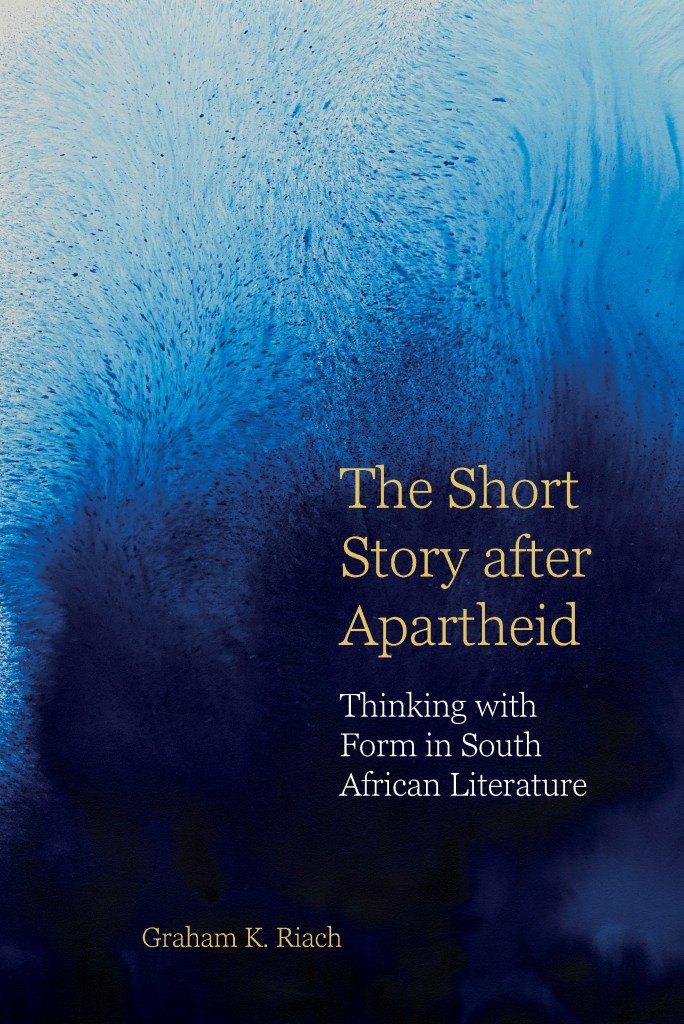
Graham K. Riach, The Short Story after Apartheid
The Short Story after Apartheid is the first major study of the anglophone short story in South Africa since apartheid’s end. Through an analysis of key texts from the period by Nadine Gordimer, Ivan Vladislavić, Zoë Wicomb, Phaswane Mpe, and Henrietta Rose-Innes, this book assesses the place of the short story in post-apartheid writing and develops a fuller model of how artworks allow and disallow forms of social thought.
OPEN ACCESS TITLE
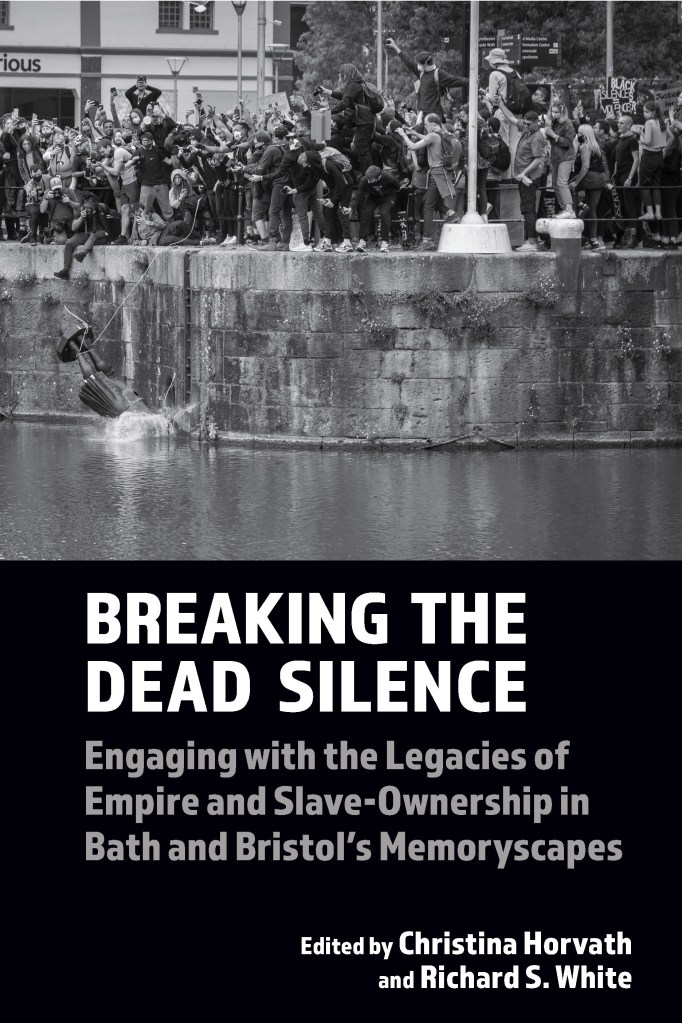
Christina Horvath & Richard S. White (eds), Breaking the Dead Silence
The murder of George Floyd in 2020, the renewed international take up of the cry Black Lives Matter and the subsequent toppling of a statue commemorating
slave-merchant-turned-philanthropist Edward Colston in Bristol provoked urgent questions on memorialisation, white privilege, social justice and repair. Debates on how legacies of colonialism and empire in Britain should be addressed spilled out of the scholarly world into the public discourse. This book brings together diverse perspectives from academics, artists, activists, heritage professionals and tourist guides on the impact and legacy of colonisation in Bath and Bristol.
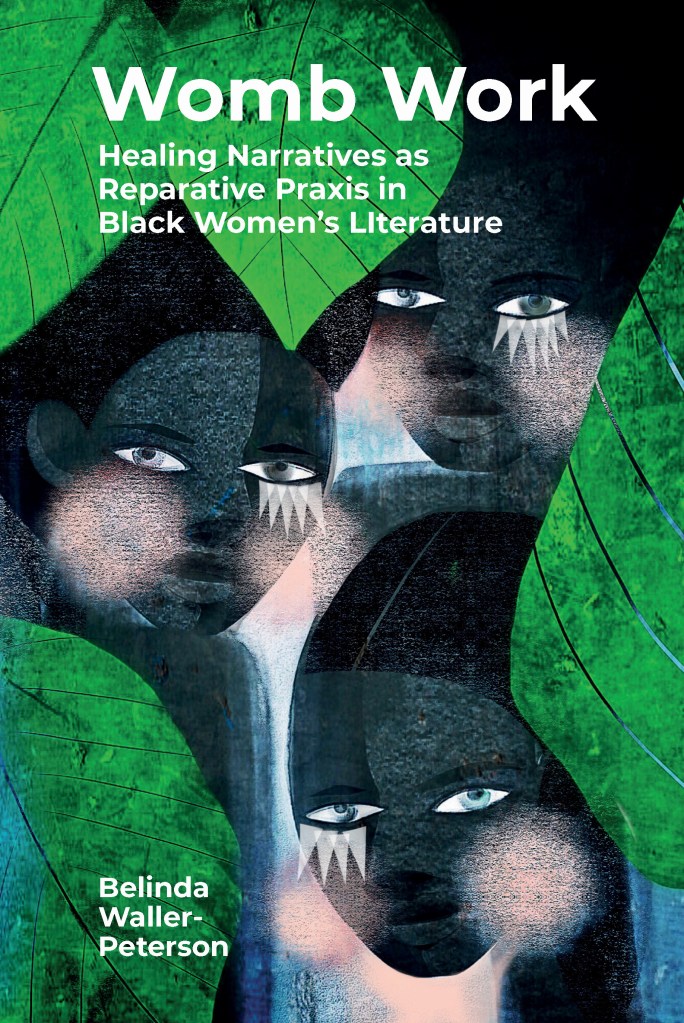
Belinda Waller-Peterson, Womb Work
Black women writers and scholars have long been engaged in the process of repairing and restoring history, especially as it documents the experiences of Black women in America. Synthesizing traditional literary analysis within the context of heath humanities and focusing on women’s healing narratives (both fiction and nonfiction), Womb Work argues that these stories by Black women are essential to advancing a more comprehensive understanding of American literary history.
Joshua M. Murray & Ross K. Tangedal (eds), Editing the Harlem Renaissance
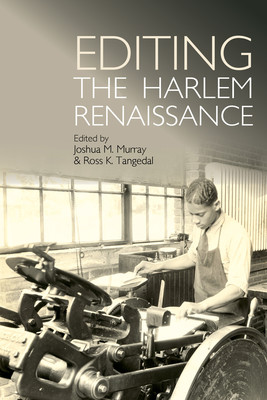
Editing the Harlem Renaissance considers developmental editing, textual self-fashioning, textual editing, documentary editing, and bibliography as it relates to several texts from the popular period now known as the Harlem Renaissance. From Wallace Thurman to Zora Neale Hurston and beyond, its chapters provide readers with a new way of viewing the artistic production of one of the United States’ most important literary movements.
Browse our digital collections:
Iberoamericana Online is an essential digital resource in Latin American & Caribbean Studies. Containing 106 volumes mostly written in Spanish language, the collection is a companion to the world-leaning journal, Revista Iberoamericana, published by Liverpool University Press in partnership with the Instituto International de Literatura Iberoamericana (IILI). Iberoamericana Online spans wide ranging subject areas, including history, colonialism, indigenous studies, and more.
Ivette M. Guzmán Zavala, Maternidades puertorriqueñas en el arte y la literatura
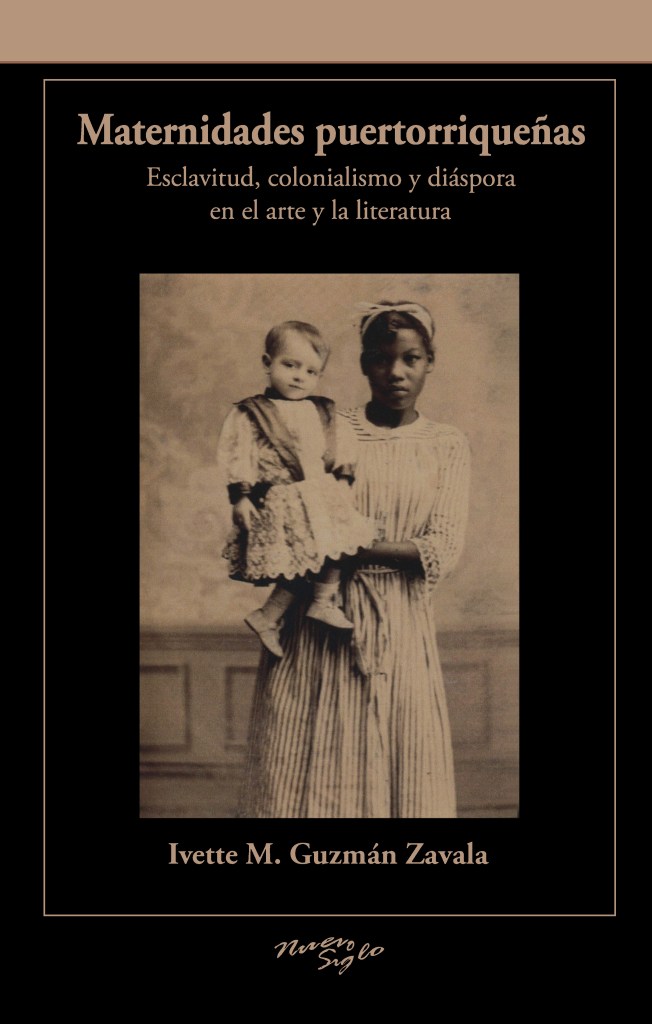
This book establishes a dialogue between examples of Puerto Rican works of art and literary texts to analyse the meanings of various representations of motherhood. The (dis)connections between both creative spaces identify aspects of national history in the maternal body. Examples reflect ways in which slavery, colonialism, and experiences in the diaspora tend to categorise, control, and intervene in mother-child relationships.
Eleuterio Santiago-Díaz, Escritura afropuertorriquena y modernidad
Escritua afropuertorriquena y modernidad takes part in the scriptural tradition that discusses the problem of writing without the support of an Afro-Puerto Rican literary tradition and theoretical thought while trying to help correct this flaw that identifies as a mark of the tradition itself. With little focus on skin colour and racial conflict, the texts explore the repression of a racial discourse in the consciousness of Black and multi-ethnic characters, offering analysis of Rodriguez Torres’ texts through the influence of Michel Foucault and Michel de Certeau.
Betina González, Conspiraciones de esclavos y animales fabulosos
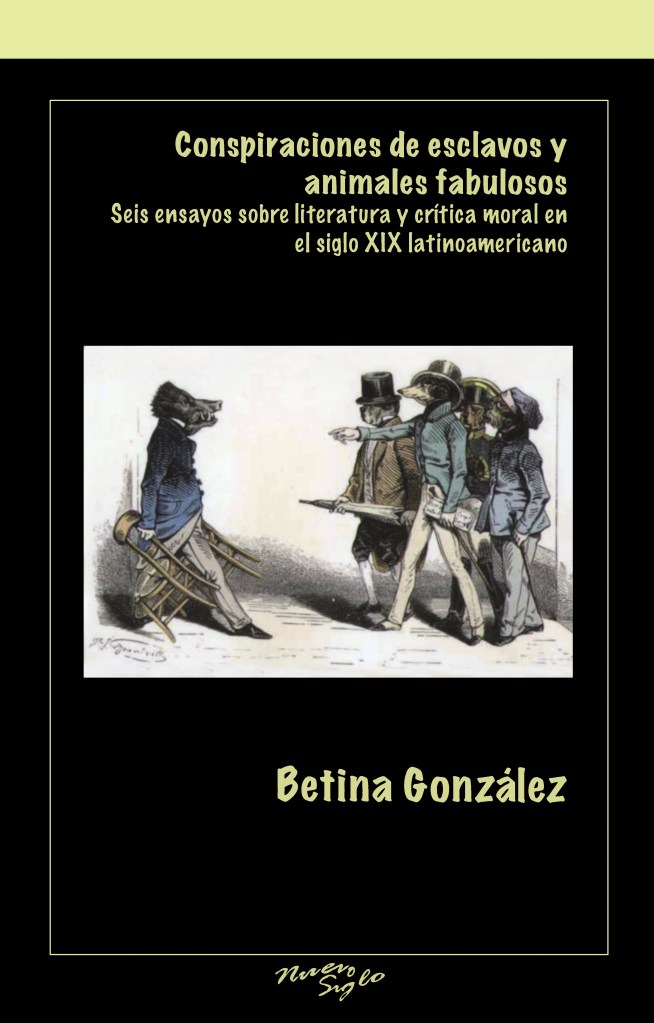
This book explores texts which never entered the literary canon in the 19th century which use the figure of the slave or the talking animal to criticise, indoctrinate, or reflect on the power relations of their time. The essays in this book advance the understanding of the role of intellectuals in debates, and show how the societies of México, Argentina and Brazil not only reflected on their daily relations of domination, but also established a rich dialogue with the philosophy of the Enlightenment, which contains the animal and the slave as disturbing images on which an entire definition of being human is based.
Jerome Branche (ed) & Bernardo Guimarães, La esclava Isaura
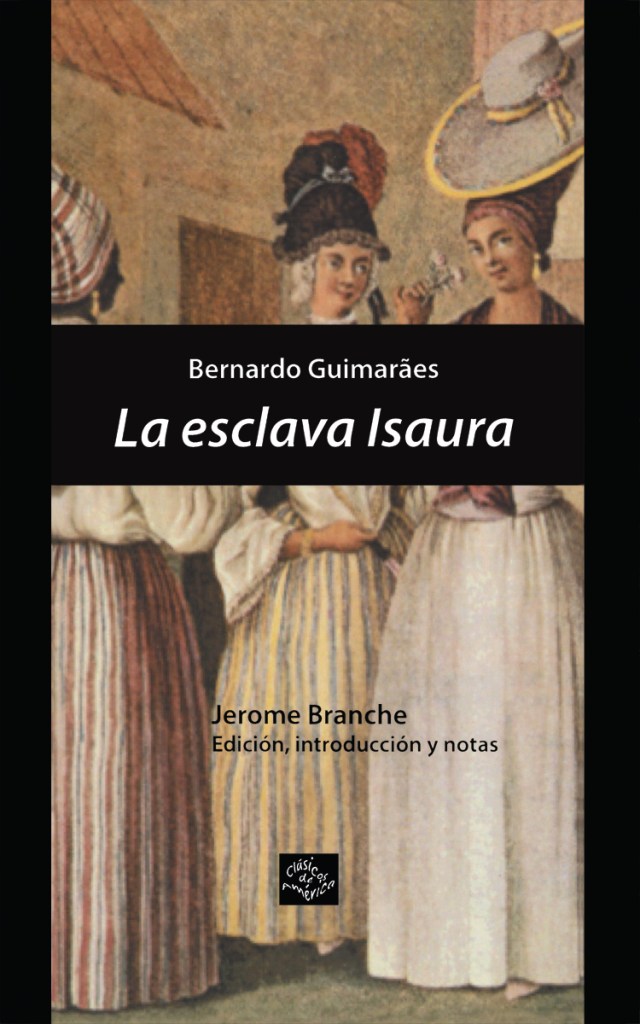
Guimarães’ novel tells the story of the emancipation of an enslaved woman in Brazil in the first third of the 19th century . Recognized as one of the few novels with an abolitionist theme in Brazil, La esclava Isaura (Isaura, the slave) (1875), advances the idea of the right of the individual to love and protests against the ideas inherited from the social primacy of wealth and ancestry. However, despite its abolitionist premise, the book ignores the great masses of enslaved Africans and Afro-Creoles in Brazil, placing Guimarães side by side with contemporary Brazilian intellectuals regarding the issue of slavery.
Enjoyed this? Browse exclusive audio chapters from My Black Stars, read by Lilian Thuram.
Follow us for more updates
Sign up to our mailing list
Twitter | Instagram
www.liverpooluniversitypress.co.uk
 Liverpool University Press Blog
Pingback: Blog: Resources for Black History Month 2024 – PSA race, migration, and intersectionality