
The Architecture of Suzhou by Fei Chen, Andre Brown, and Yiping Dong provides a contemporary snapshot of Suzhou’s key architecture and urban structures from different historical periods. It serves as a companion to understanding how the city balances modernisation, environmental constraints, and the preservation of cultural heritage. This blog post introduces the unique architecture of the city, and the ongoing negotiation between its deep historical roots and modern expansion—a remarkable journey of identity-building.
Suzhou tells one of the most compelling stories in China’s recent urban history—a story of extraordinary growth, transformation, and continuity. Since the 1980s, Chinese cities have undergone rapid change, but few places reflect this shift as vividly as Suzhou. Located in the Yangtze River Delta—one of the country’s most economically powerful regions—the city has been part of a wider surge that saw urbanisation rise from low levels in 1980 to more than 66% by 2025. This dramatic transition is etched into Suzhou’s urban fabric, where the pace and scale of development are especially visible.
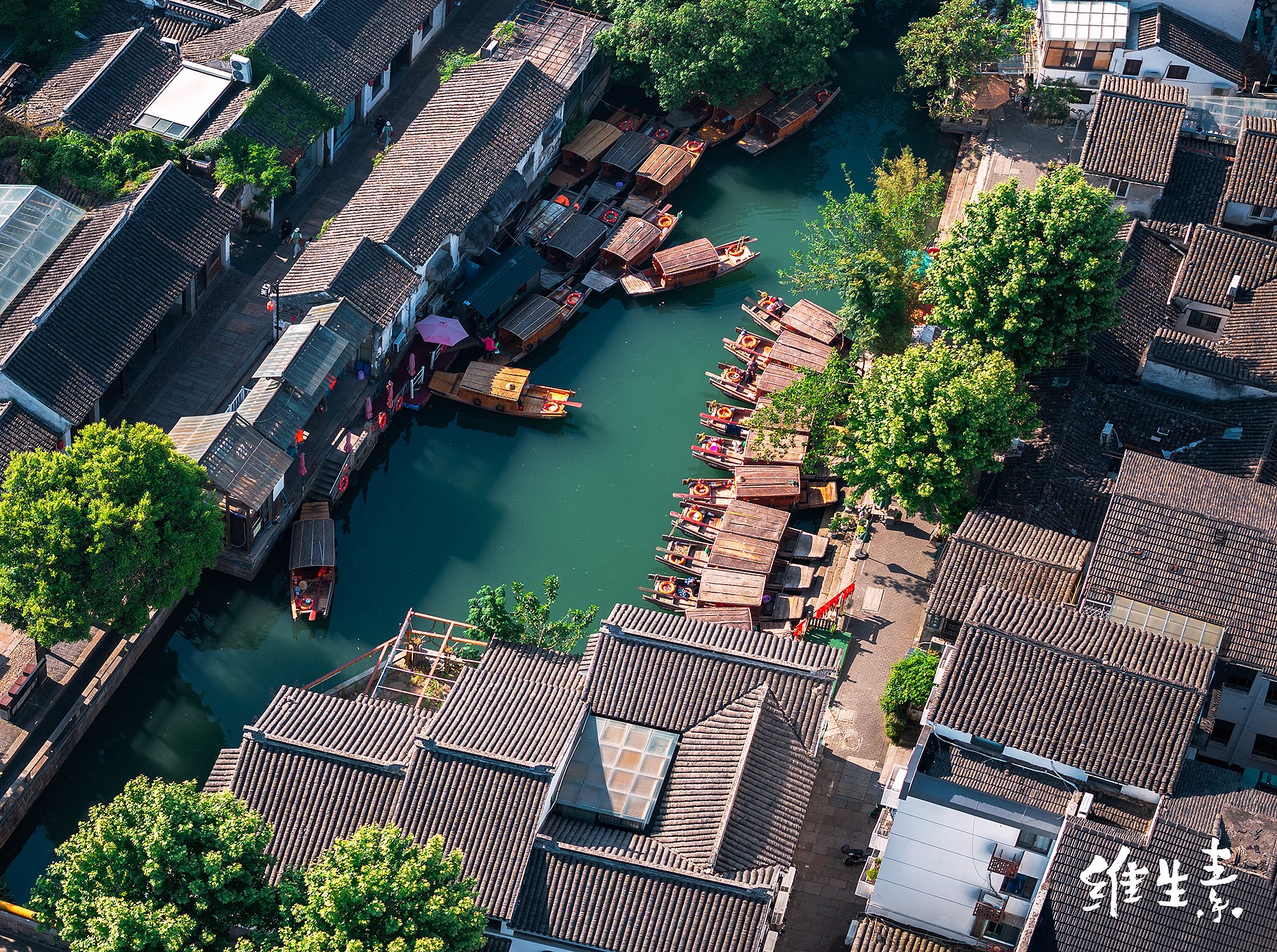
(L) The urban fabric alongside Pingjiang Road; photo by Xuetun Zhao, 2024
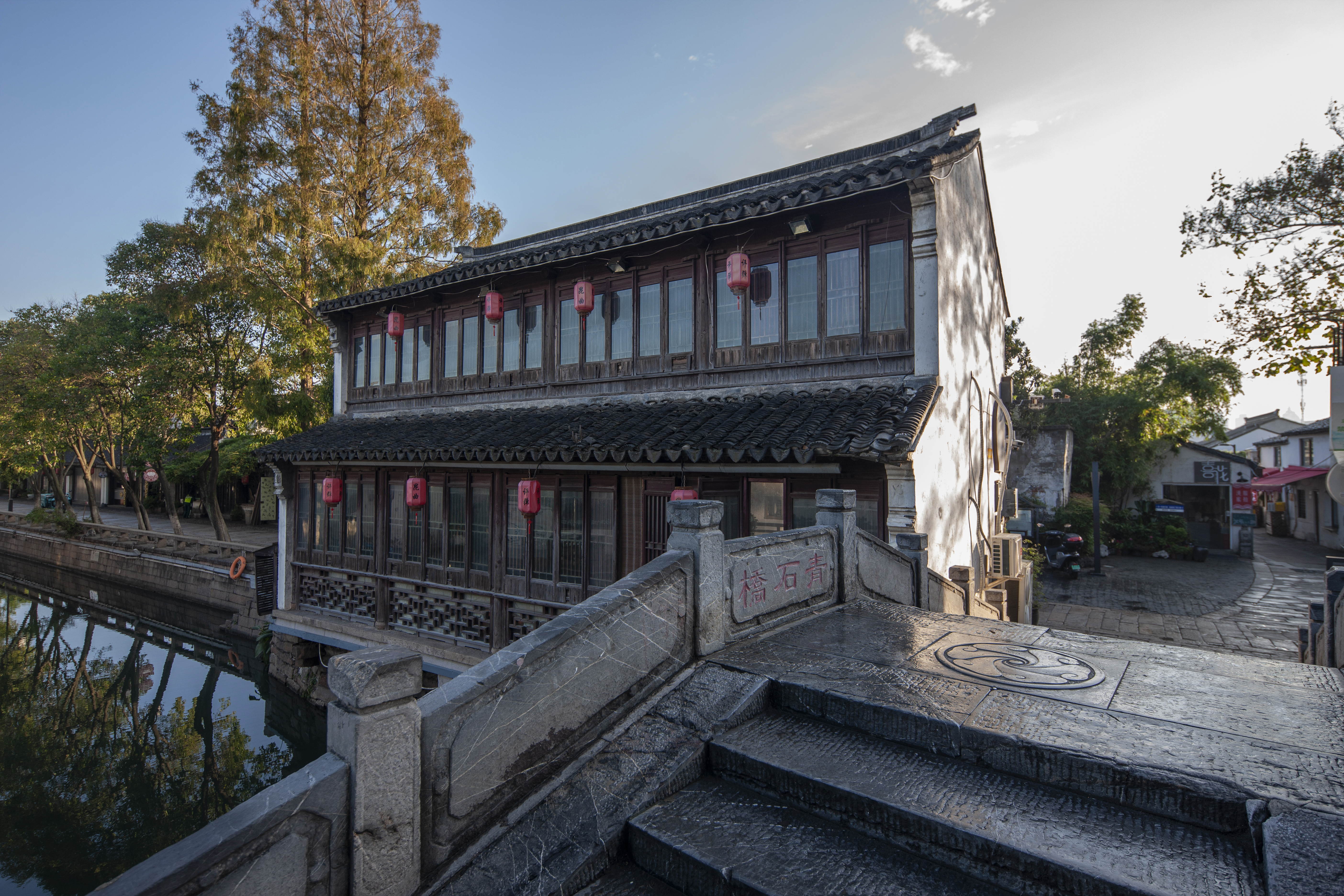
(R) Qingshi Bridge and Pingjiang Street; photo by Liang Zhang, 2024
What makes Suzhou distinctive is not just its role in this national transformation, but the way it balances deep historical roots with modern expansion. Renowned for its classical gardens, waterways, and legacy as a centre of silk production, the city has long held cultural significance. Yet alongside this heritage, a new urban landscape has emerged—one shaped by economic reform and strategic planning, particularly since the early 1990s.
A key turning point came with the launch of the China–Singapore Industrial Park (SIP) in 1994. This partnership catalysed a new phase of development, positioning Suzhou as a model of contemporary urbanisation and architectural change in China. The result is a city where historic districts and modern infrastructure coexist in a complex, well-conceived and striking relationship.
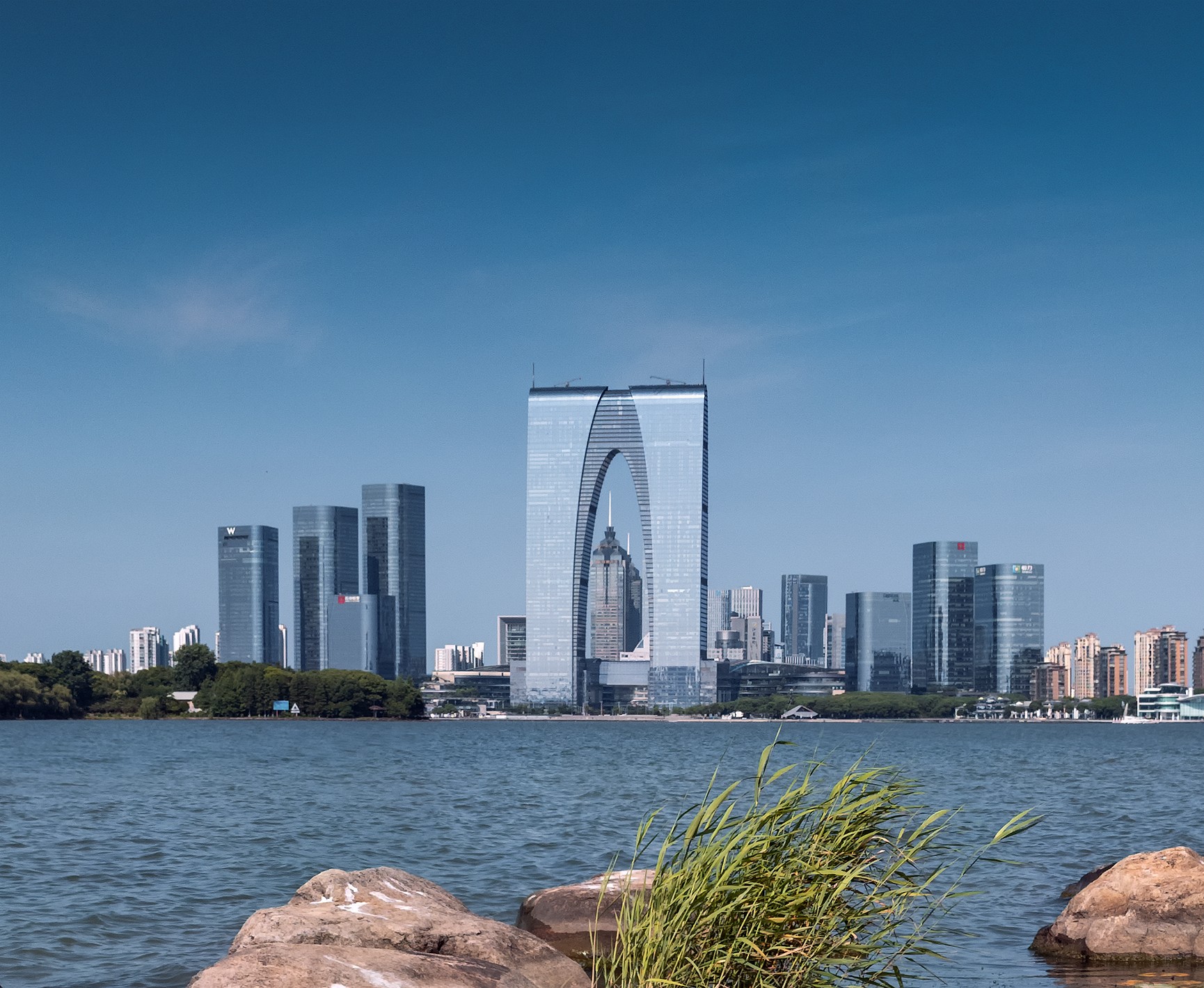
(L) The Gate of the Orient; photo by Xuetun Zhao, 2024
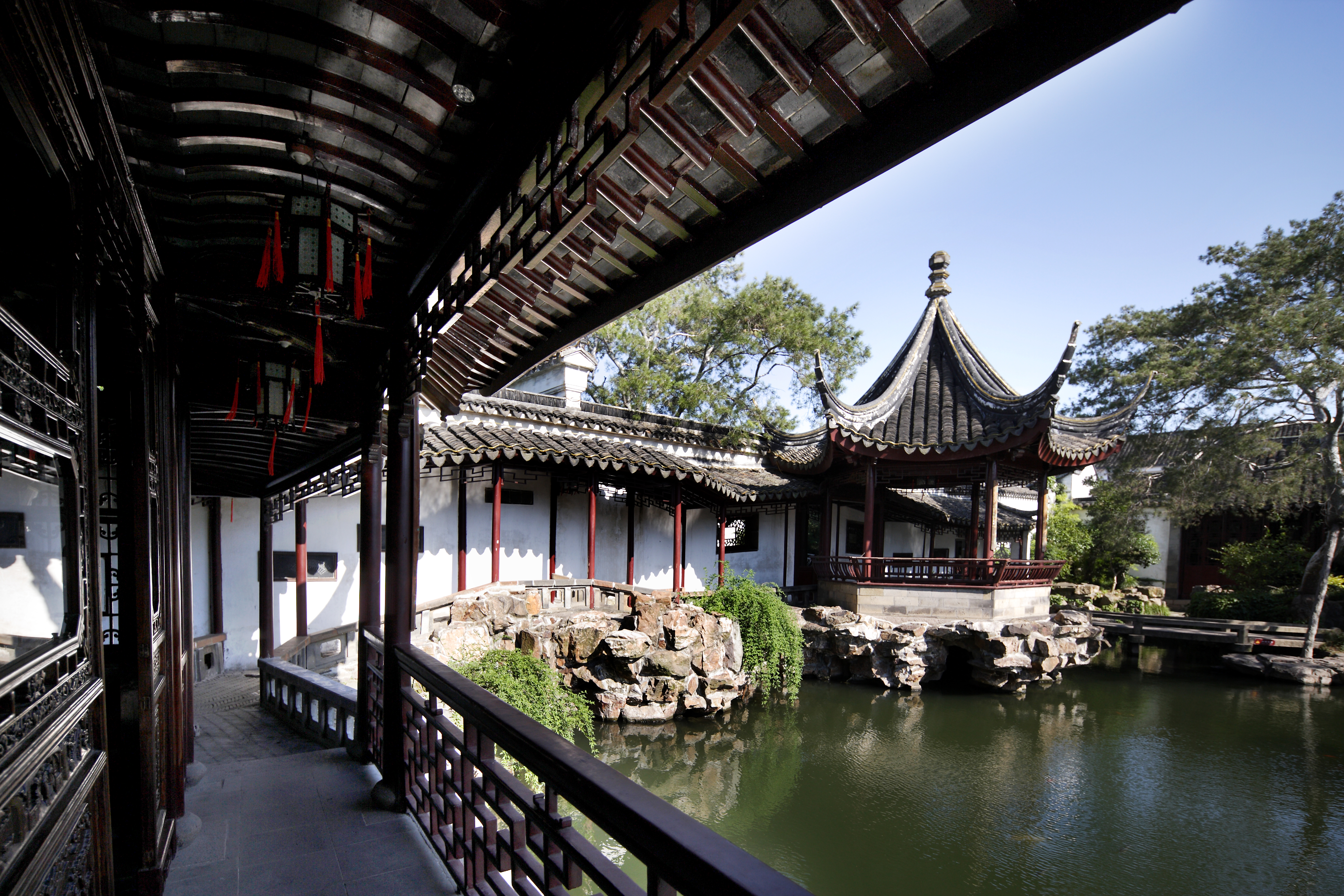
(R) A walkway leading to a pavilion by the water in the Master of the Nets Garden; photo by Liang Zhang, 2013
The Architecture of Suzhou invites readers to explore Suzhou through an architectural lens, offering insights into both its past and present. It traces the evolution of the old city, highlighting how layers of political, social, and cultural change have shaped its form and make-up over centuries. Despite periods of destruction and rebuilding, much of this history remains legible in the urban landscape.
The narrative then moves into the late twentieth century and beyond, examining the rapid expansion and architectural production that have accompanied Suzhou’s economic rise. We also extend the study to significant adjacent water towns that help to add to the understanding of the canal-based trade and the settlements that it generated. Together, these perspectives provide a rich understanding of a city that encapsulates the broader story of China’s urban transformation—while retaining a character uniquely its own.
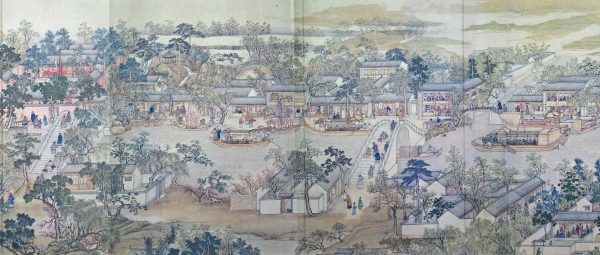
We focus on key districts and streets, using analytical mapping to make legible both the city’s urban evolution and its consequences for spatial structure and built form.
The Grand Canal is central to this account, shaping patterns of settlement, movement, and economic life across centuries. Equally significant are Suzhou’s renowned classical gardens—now recognised as UNESCO World Heritage—which have contributed to the city’s international cultural standing. Yet beyond these well-known elements, the book emphasises the underlying connections and driving forces that have produced Suzhou’s very particular urban condition. We therefore construct a narrative of growth that allows the city to be read through a dialogue between buildings and urban forms separated by centuries, but linked through the enduring local environmental context, material practices, cultural logics, and social values.
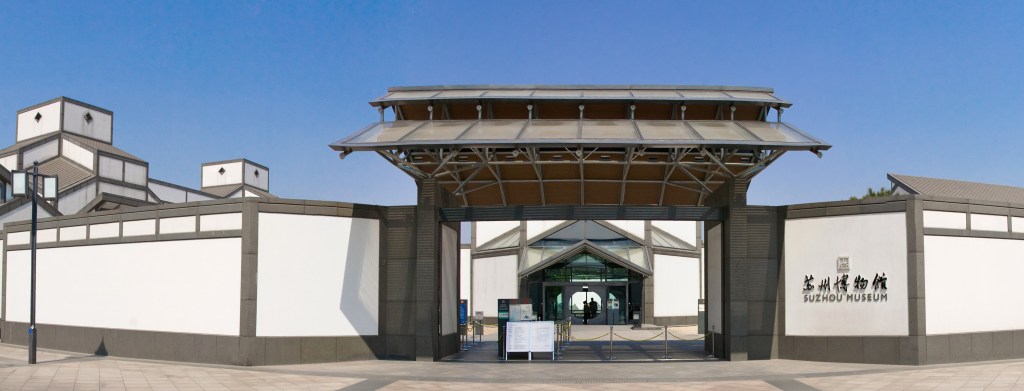
For those looking at deeper connections, an example is Wuliang Hall (开元寺无梁殿) a building dating to 1618. Located at the intersection of Dongda Street and Xinshi Road, it was part of the Kaiyuan Monastery, and is an amazingly early example of an all-brick structure. Built as a depository for Buddhist texts, the hall is an outstanding instance of advanced, very early brick-baking techniques.
Set against the Monastery building is the Imperial Kiln Brick Museum (御窑金砖博物馆), completed in 2016 on the site of a former imperial kiln. Designed by Liu Jiakun—whose work was recognised with the 2025 Pritzker Prize—the museum reinterprets Suzhou’s material heritage through a contemporary architectural language. The “golden bricks” once produced here were not merely construction units but symbols of precision, status, and imperial order, used in some of China’s most significant buildings.
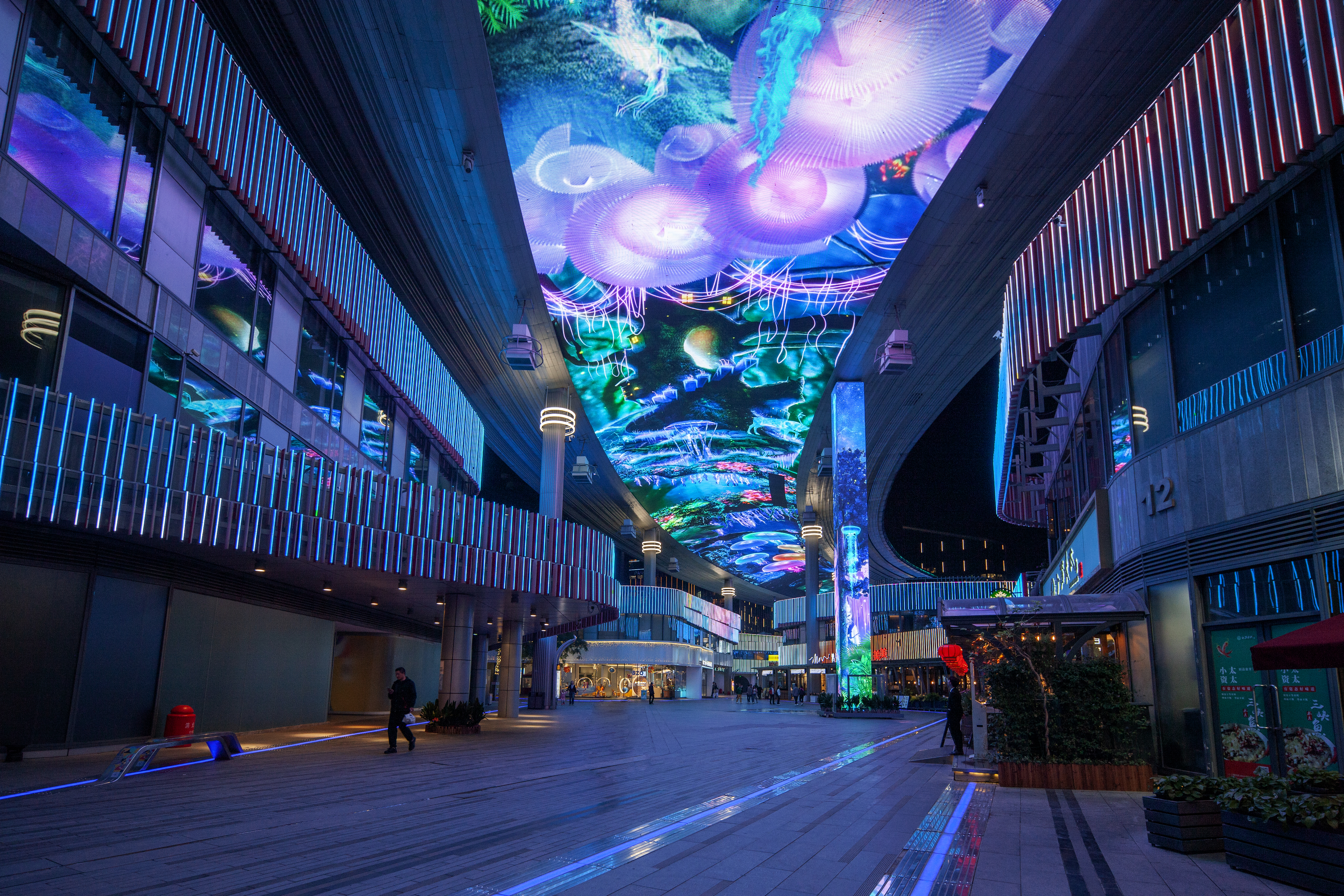
(L) The screen canopy in Yuanrong Times Plaza provides an immersive experience for visitors; photo by Liang Zhang, 2024
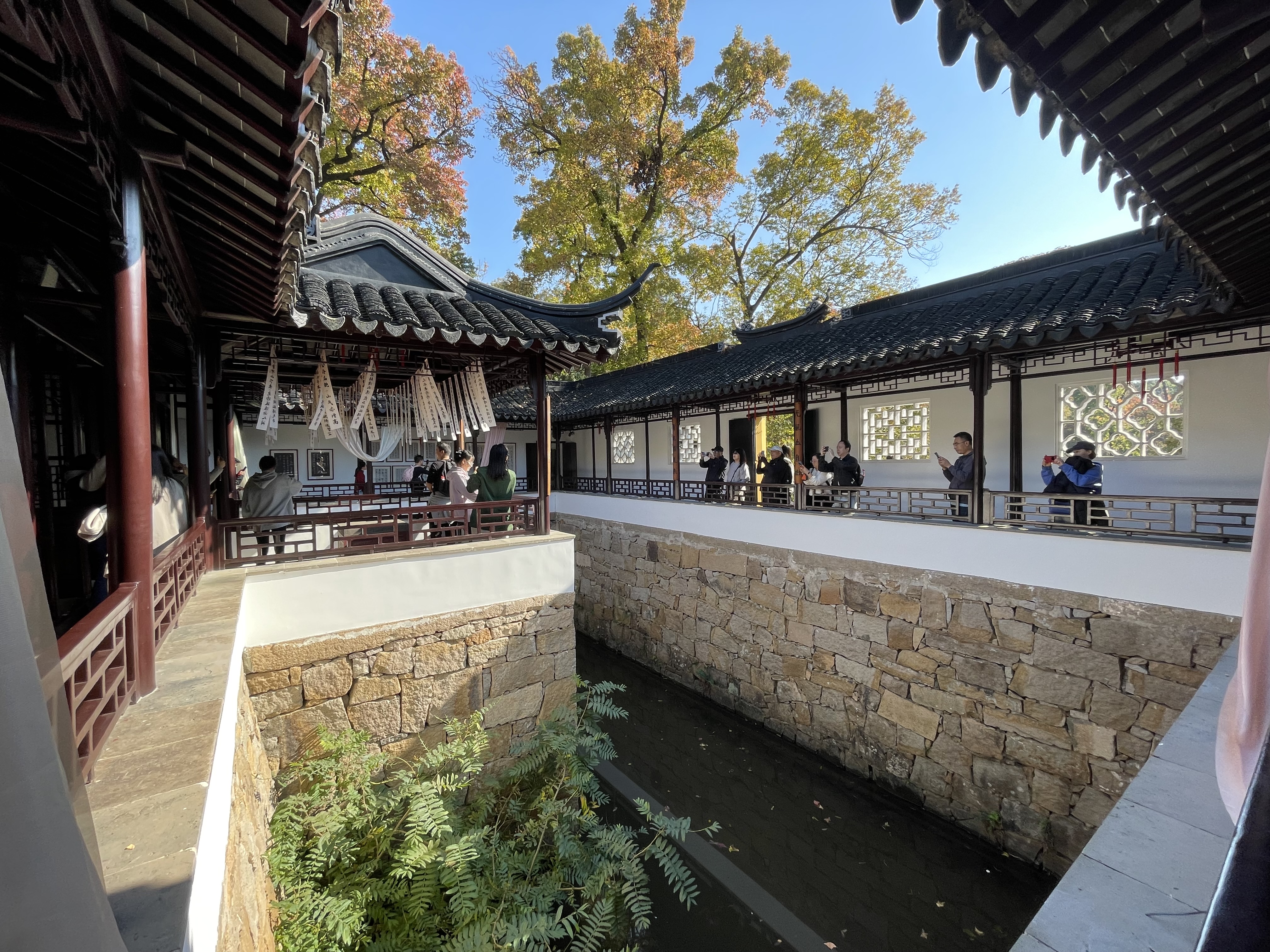
(R) The Yule Guo pond and the Swallow Pavilion of Tianping Villa; photo by Yiping Dong, 2024
Read together, these two sites illustrate a broader theme in Suzhou’s urban evolution. The Museum critically engages with history through reinterpretation rather than preservation alone. Both buildings, however, are anchored in the same cultural landscape: one shaped by craftsmanship, inscription, and the enduring significance of material culture.
This juxtaposition underscores a key argument of the book: that Suzhou’s architectural identity is not solely defined by the famous gardens, or the canal and city walls, or a simple coexistence of old and new, but by an ongoing negotiation between them. Across centuries, the city’s buildings – shaped and influenced by the particular and resilient design culture ingrained in Suzhou – participate in a continuous process of making meaning from history.

Follow us for more updates
Sign up to our mailing list
Follow us on social media
www.liverpooluniversitypress.co.uk

