

UP Week Blog Tour 2026 | Day 5: What’s next?
University Press Week 2026 (#UPWeek), which takes place between 9th – 13th of November, celebrates the collective vigour of our global scholarly publishing community. Mission-driven, creative, and collaborative practices enable university presses worldwide to PowerUP every day, using our energy to fuel publications, projects, and initiatives that amplify our authors’ voices to inform our current moment and shape our future. Make sure to check out blog posts from other university presses in the Association of University Presses’ UP Week blog tour and browse the PowerUP gallery and reading list here.
This week, Liverpool University Press is looking at what we do to PowerUP. In this blog post, we’re looking ahead and hearing from our Commissioning Editors about what’s next for our book publishing and the impactful work we have in the pipeline.
Editorial is one of the most forward-looking areas of a publisher. Their work is usually looking several years ahead and they have a long wait between first hearing about an idea for a book and seeing it publish and be read. For the ‘what next?’ #UPWeek theme, we thought the perfect department to focus on would be Books Editorial, to give them an opportunity to talk about some of the exciting books we have in the pipeline for 2027. Hear from several of our Commissioning Editors below as they share what they’re currently working on and are looking forward to seeing be shared with the world.
“In Classics and History, some of the most exciting books in our pipeline for 2027 are the ones that cross boundaries between subjects and eras. Summoning Aristotle: Explorations in his Public Reception (edited by Edith Hall, Arlene Holmes-Henderson, Rory McInnes-Gibbons and Sara Monoson) follows one of the world’s most influential thinkers from antiquity into the modern cultural imagination, asking what Aristotle has meant to the people who invoke him. Nature’s Oversight: Fringes of nature and politics from Shakespeare to the Restoration (Seth Logan Swanner) traces how, long before today’s climate politics, political upheaval was already reshaping ideas of nature. And Greek Tragedy as Twenty-First-Century British Theatre (David Bullen) puts the ancient stage in conversation with the modern one, exploring why plays written two and a half thousand years ago keep finding new urgency in Britain today.”
Clare Litt, Senior Commissioning Editor for Classics and Medieval Studies
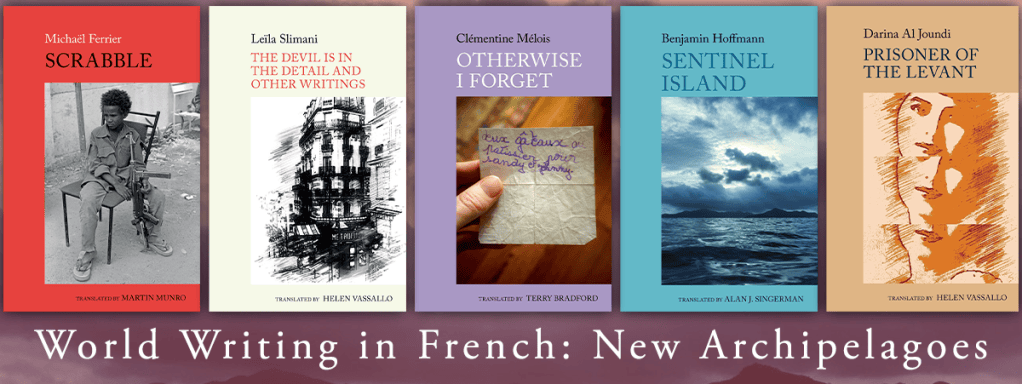
“From a Modern Languages perspective, I am looking forward to the end of this year and 2027 bringing a vast variety of research monographs and edited collections. From a collection analysing Spanish and Mexican streaming content, to an in-depth study of ‘non-motherhood’ in French women’s writing, to an investigation into translation and adaptation in Sicily, plus many more that I wish I had the space to mention. The year ahead will also see some excellent new translations in the World Writing in French series.”
Chloé Johnson-Walsh, Senior Commissioning Editor for Modern Languages
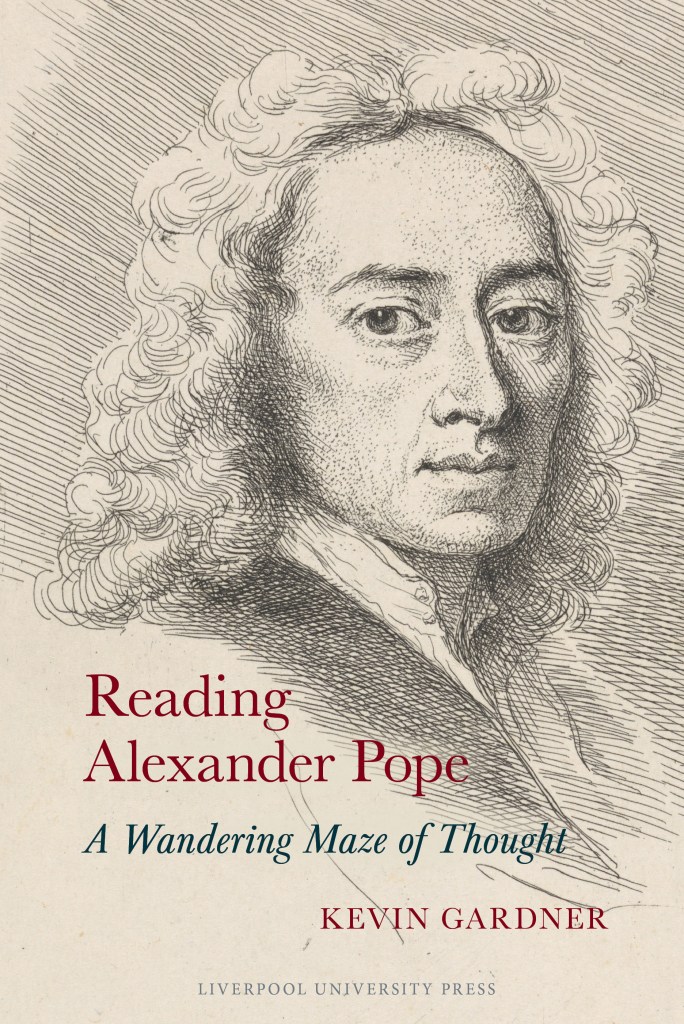
“As anyone who works in commissioning will tell you, it’s a marathon and not a sprint! This is why I’m particularly excited about one title which is forthcoming in Spring/Summer 2027 because even though I’ve been commissioning in Eighteenth-Century Studies at LUP for over eighteen months now, this will be my first project to be published since I took over managing the list. Reading Alexander Pope by Kevin Gardner will be a timely and much-needed monograph providing a core introductory text for readers and scholars interested in the work of Alexander Pope. It guides readers through close, focused readings of five of Pope’s exemplary poems and highlights the need for his work now more than ever in the concerns of our age. This book makes Pope accessible and inviting to readers while demonstrating how rewarding it can be to read his poetry well.”
Rebecca Graham, Associate Editor commissioning for Eighteenth-Century Studies
“I am really excited to be developing our commissioning portfolio across history, postcolonial and global studies, building on LUP’s existing established strengths in areas such as British, maritime, and labour history as well as postcolonial studies while exploring new opportunities in Middle Eastern, North African and Asian histories. I am particularly interested in bringing different geographical and disciplinary perspectives into conversation that challenge established narratives and open up new ways of thinking about the past.”
Isobel Birks, Commissioning Editor for History, Postcolonial, and Global Studies
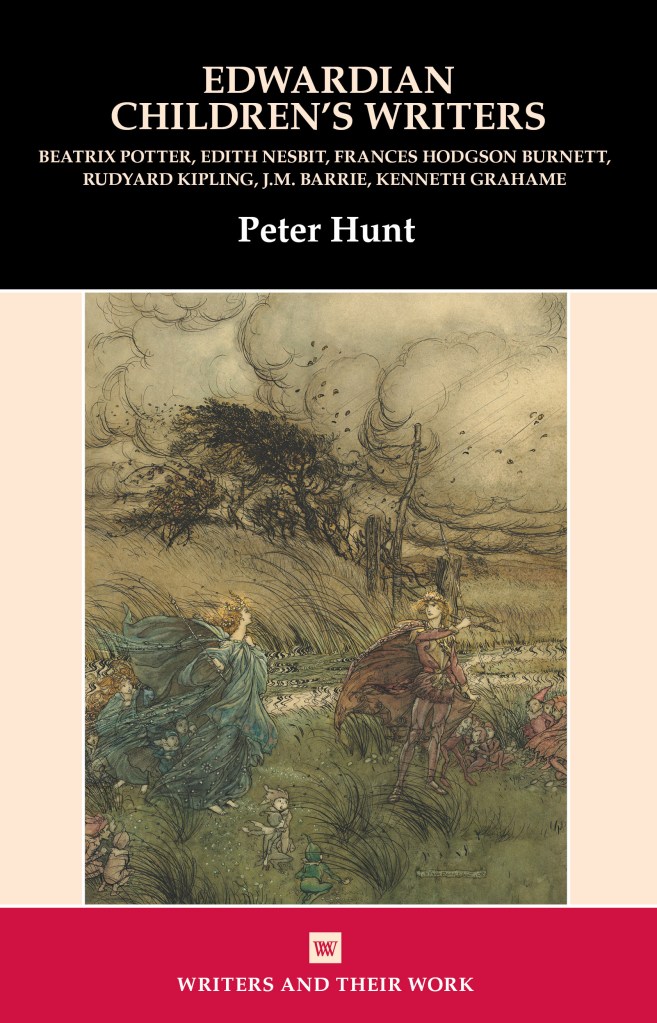
“It’s a busy time on the Literary Studies list, with the first book in our Liverpool Studies in Literature and Environment series (The Making of the Monstrous Human: Frankenstein to the Anthropocene by James Donald) due out in the spring, as well as new Writers and their Work volumes on Ali Smith and on Edwardian children’s writers, plus a paperback of a scholarly edition that we’re very proud of, Dorothy Wordsworth’s Rydal Journals. Last but not least, we’re very excited to be publishing a selection of Denise Riley’s wonderful prose writings from the last forty years, Inconstant Joy: Language, Feminism, Politics.”
Christabel Scaife, Senior Commissioning Editor for Literary Studies and Irish Studies
Learn more about publishing with us >
Browse our Spring/Summer 2027 titles >
Read the full collection of UP Week blogposts via the Association of University Presses blog tour > #UPWeek
Follow us for more updates
Sign up to our mailing list
Follow us on social media
www.liverpooluniversitypress.co.uk

