
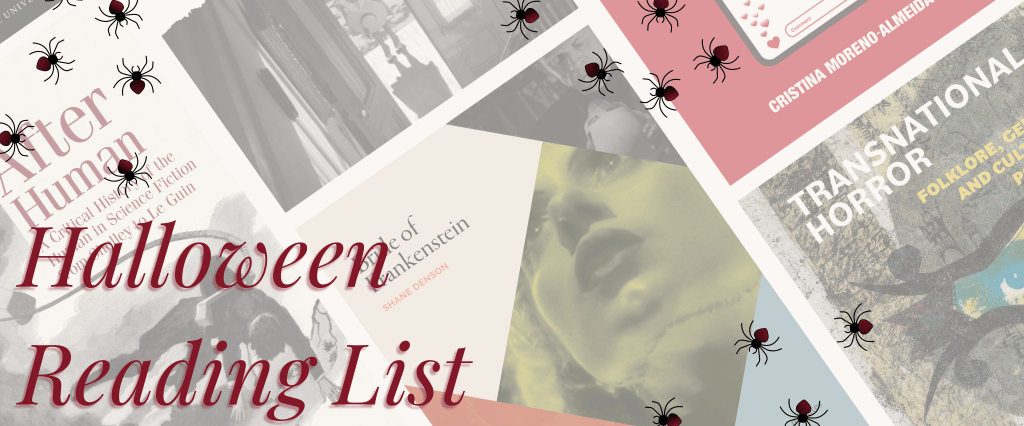
To celebrate spooky season, this Halloween Liverpool University Press have curated a reading list perfect for those interested in all things horror – including (but not limited to) science fiction, grotesque digital culture, gothic literature and ghost stories.
Journals from Liverpool University Press
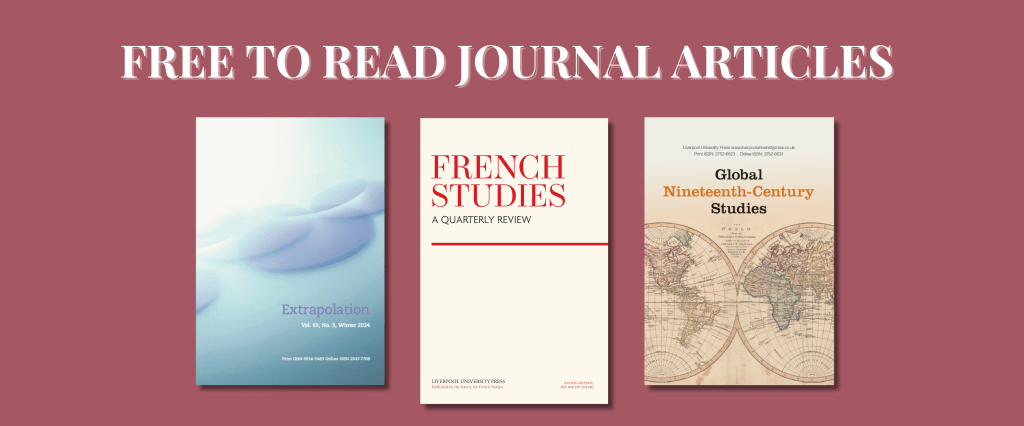
Exploring all things spooky and to celebrate Halloween, the following journal articles are Free to Read until 27th November:
- ‘Vampires, Werewolves and Strong Women: Alternate Histories or the Re-writing of Race and Gender in Brazilian History’ by M. Elizabeth Ginway
- ‘Ghost Stories in Late Renaissance France: Walking by Night’ by John D. Lyons
- ‘EL VAMPIRO EN EL ESPEJO: ELEMENTOS GÓTICOS EN YO EL SUPREMO’ by Carmen Serrano
- ‘Vampirism as Literary Piracy in Paul Féval’s Vampire City’ by Susan Civale
- ‘Mutant bears, defrosted parasites and cellphone swarms’ by Bridgitte Barclay, Christy Tidwell
- ‘HALLOWEEN AU PAYS D’ASTÉRIX’ by Camille Garnier
Browse a selection of our books on everything Halloween:
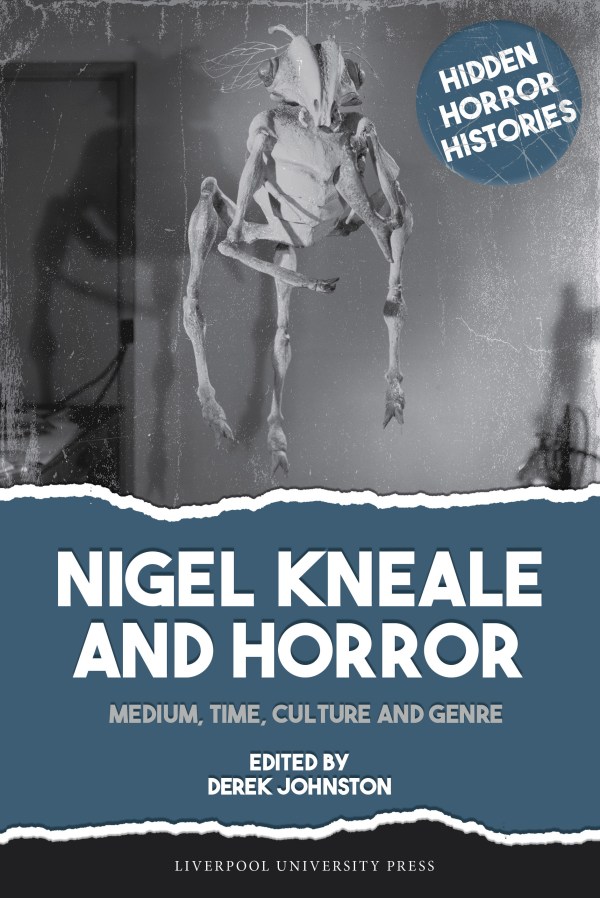
Nigel Kneale and Horror
Edited by Derek Johnston
This book explores questions of medium, culture, time and genre in Nigel Kneale’s horror work
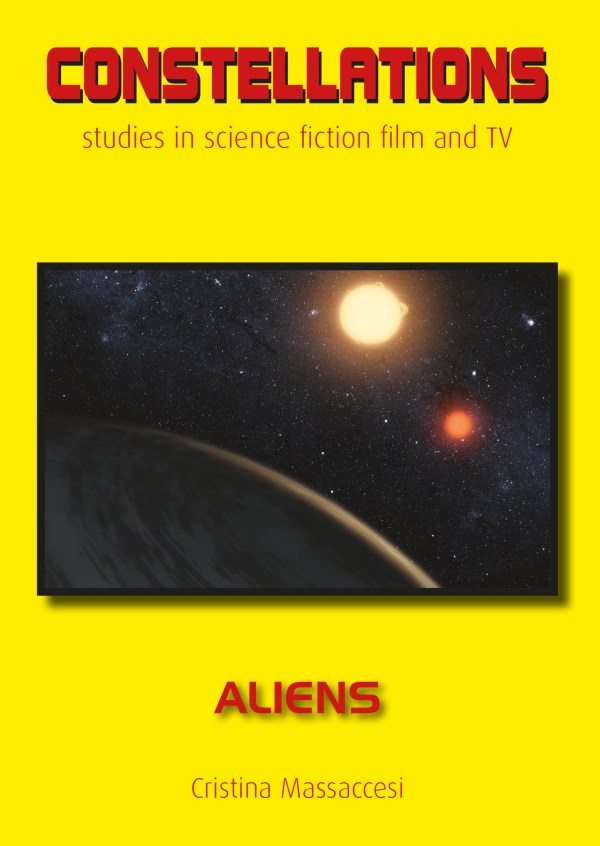
Aliens
Cristina Massaccesi
An in-depth study of James Cameron’s Aliens, for Film Studies students and sci-fi fans alike.
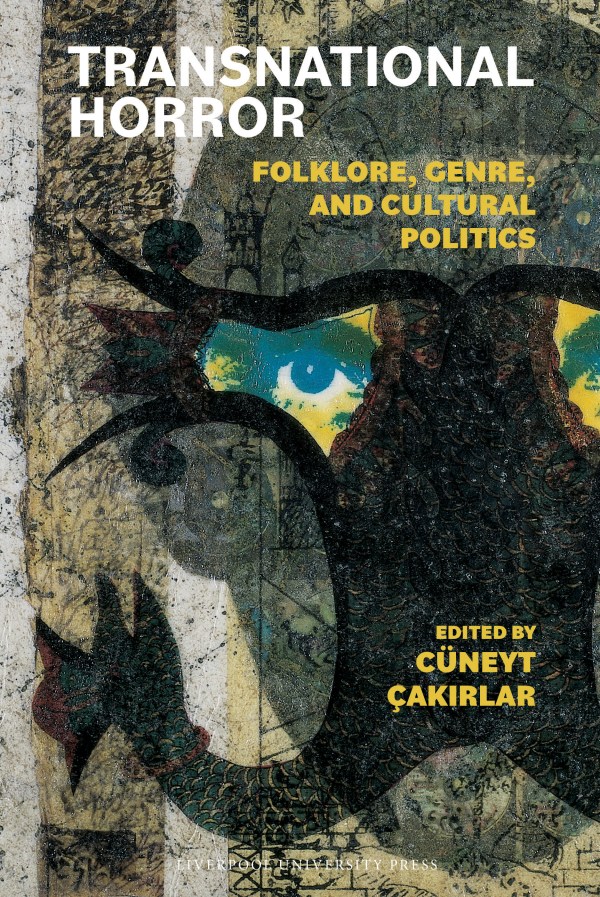
Transnational Horror: Folklore, Genre, and Cultural Politics
Edited by Cüneyt Çakırlar
Develops a transnational approach to the folk horror revival, moving beyond Anglophone horror scholarship’s canonising frameworks.
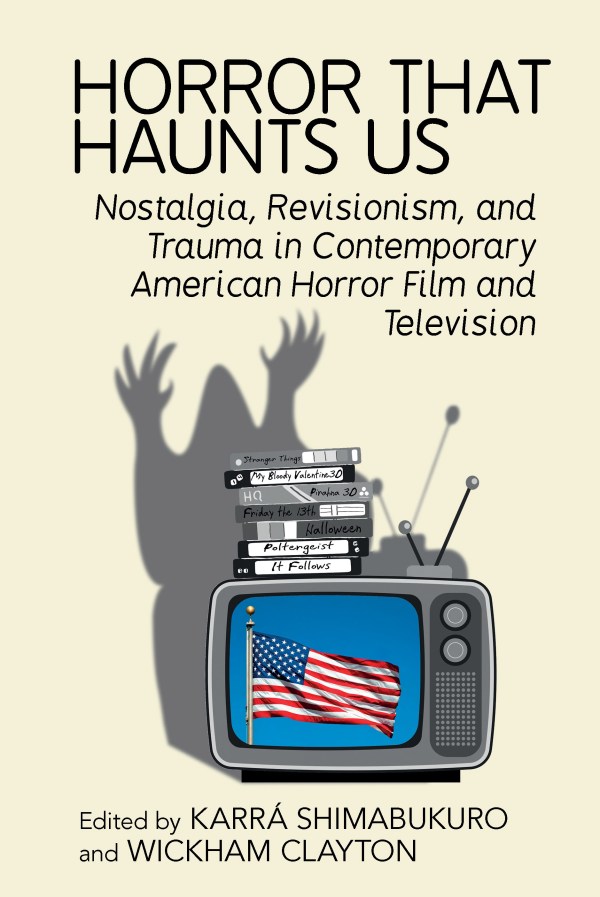
Horror That Haunts Us:
Nostalgia, Revisionism, and Trauma in Contemporary American Horror Film and Television
Edited by Karrȧ Shimabukuro
and Wickham Clayton
Horror That Haunts Us considers contemporary American horror screen media through nostalgia and trauma.
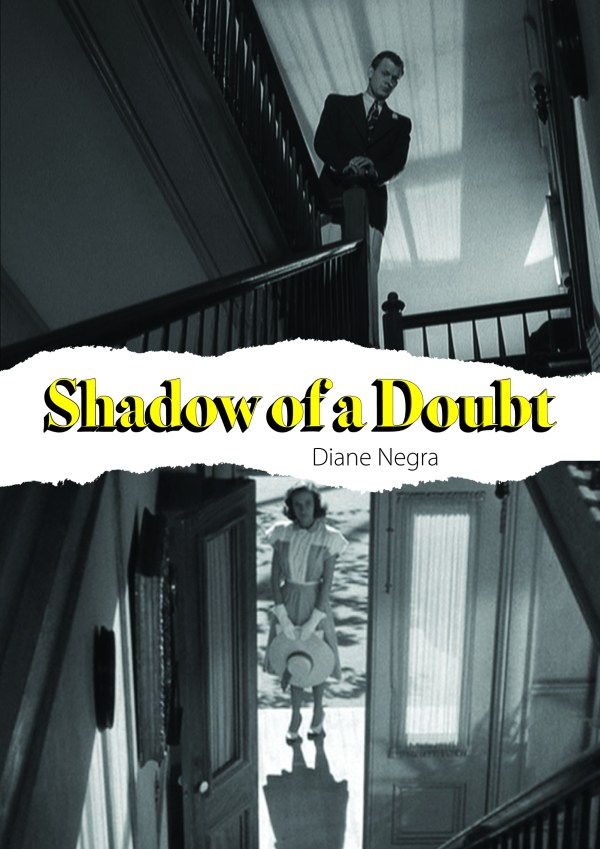
Shadow of a Doubt
Diane Negra
This book redresses the deficit of critical attention paid to Hitchcock’s Shadow of a Doubt.
Browse all books published by Liverpool University Press >
From The British Academy
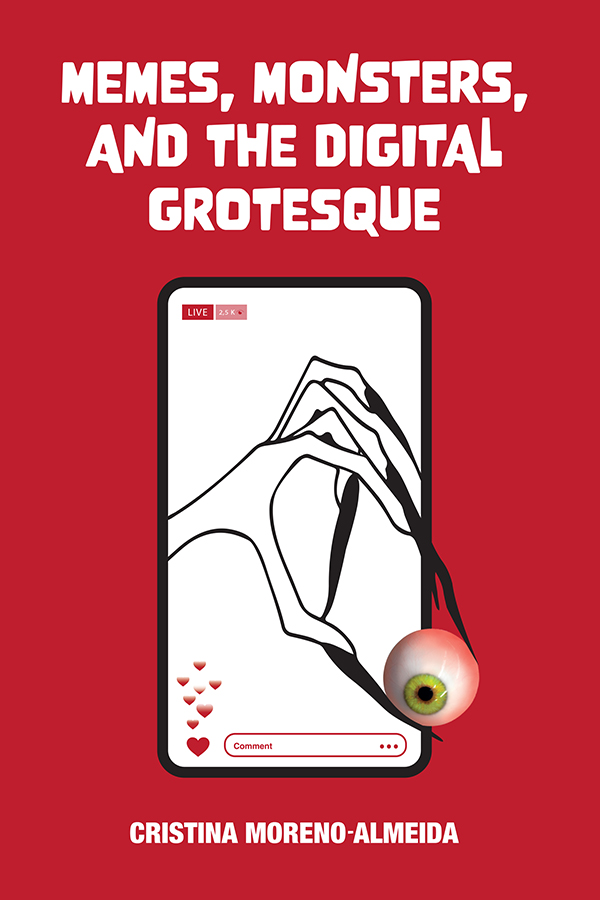
Memes, Monsters, and the Digital Grotesque (Open Access)
Cristina Moreno-Almeida
Investigating the grotesque aesthetics of a post-digital era, to offer a fresh and innovative approach to examining informal politics, monstrous aesthetics, and digital media.
Liverpool Distribution Services:
From Lever Press (Michigan Publishing Services)
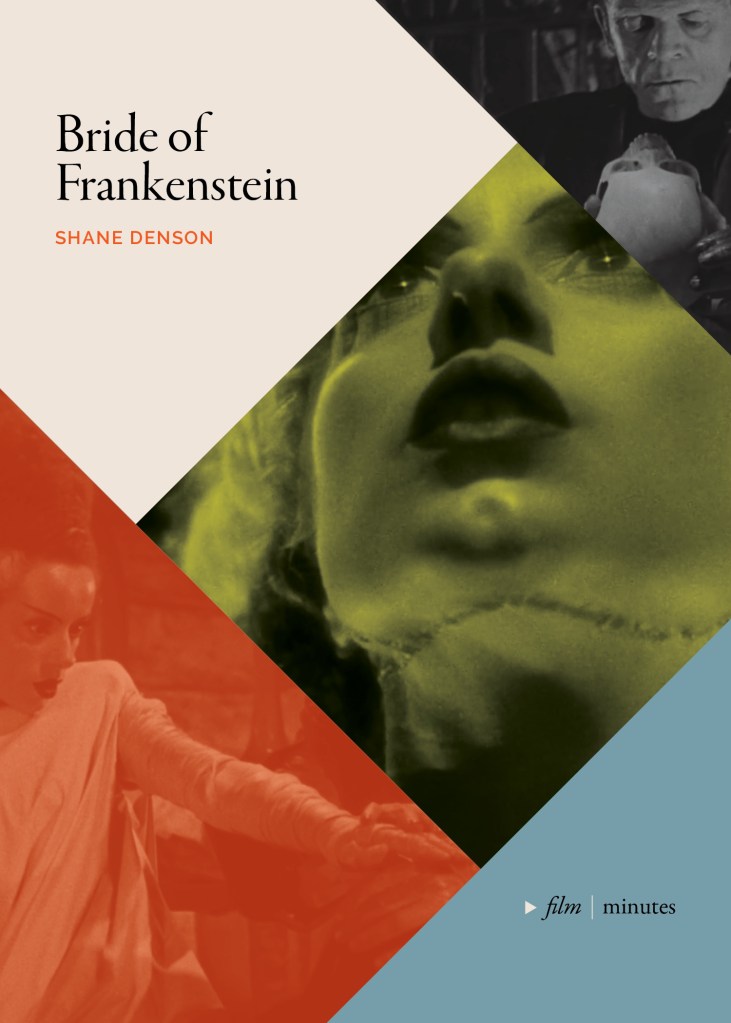
Bride of Frankenstein
Shane Denson
A minute-by-minute reexamination of Bride of Frankenstein, this book reanimates James Whale’s 1935 classic through fresh analytical lenses, linking its historical innovations to modern questions of technology and human agency.

Follow us for more updates
Sign up to our mailing list
Follow us on social media
www.liverpooluniversitypress.co.uk
 Liverpool University Press Blog